

Elevate Your Towing and Hauling Experience with Air Lift Onboard Compressor Systems
11/17/2021
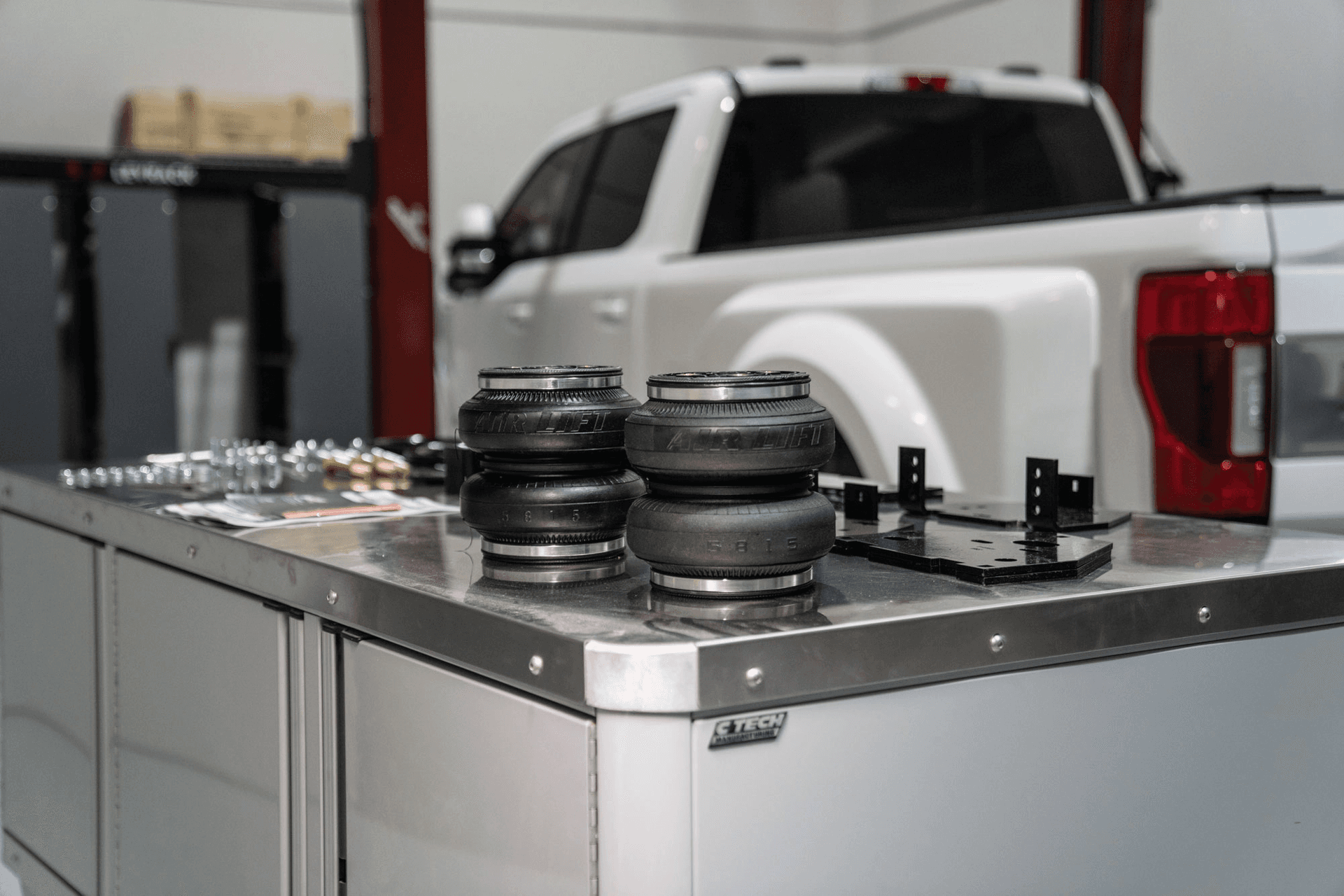
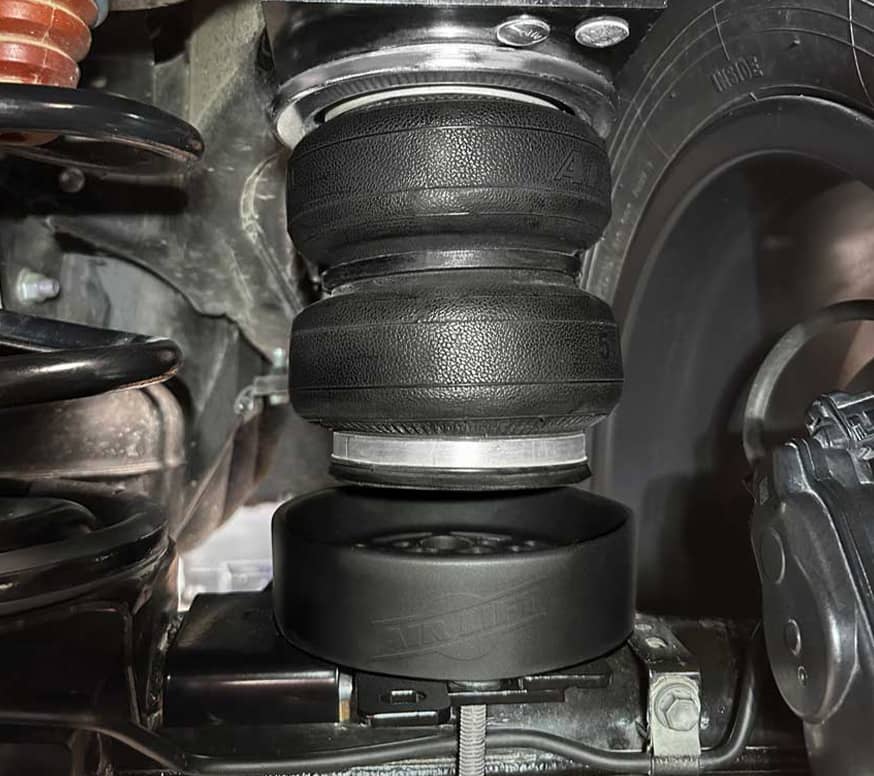
Air springs are a great way to add adjustable load support to your truck, SUV, van, or motorhome. But once you've installed them, there's another decision to make: Do you need an onboard air compressor?
Technically, the short answer is no. Air springs can be inflated manually through Schrader valves using an external air source. However, adding an onboard compressor system gives you the ability to inflate, deflate, and adjust your air springs whenever your load changes — without searching for a gas station air pump or carrying a portable compressor.
For drivers who regularly tow or haul, that convenience can make an air spring system even easier to use.
So, which onboard compressor system is right for you? Let's break down how they work, the differences between the available options, and what to consider when choosing one for your vehicle.
What Does an Onboard Air Compressor Do?
An onboard air compressor system provides an air source that's permanently installed on your vehicle and connected to your air springs.
Instead of manually filling each air spring through its Schrader valve, the onboard system allows you to increase or decrease air spring pressure using a controller or mobile app, depending on the system.
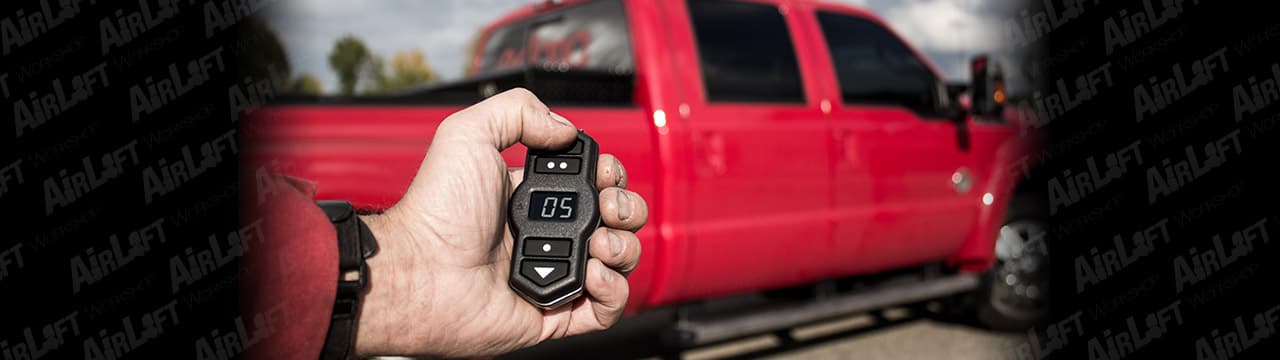
That means you can adjust your air springs when:

- Connecting or disconnecting a trailer
- Adding or removing cargo
- Carrying an uneven load
- Transitioning between loaded and unloaded driving
- Changing the amount of load support you need
The result is convenient, adjustable load support that's available whenever you need it.
Do Air Bags Need an Onboard Compressor?
No. Air springs do not require an onboard compressor.
Every Air Lift air spring system can be inflated using an external air source through the included inflation valves. If you don't mind manually adjusting your air spring pressure, that may be all you need.
An onboard compressor is about convenience and control.
Instead of finding an external air source every time your load changes, you can adjust your air spring pressure from your vehicle.
For someone who regularly switches between towing, hauling, and unloaded driving, that can be a significant advantage.

Do air bags need an onboard compressor?
No — but onboard air makes adjusting them faster, easier, and more convenient.
Single-Path vs. Dual-Path Compressor Systems
One of the first decisions when choosing an onboard compressor is whether you need single-path or dual-path control.
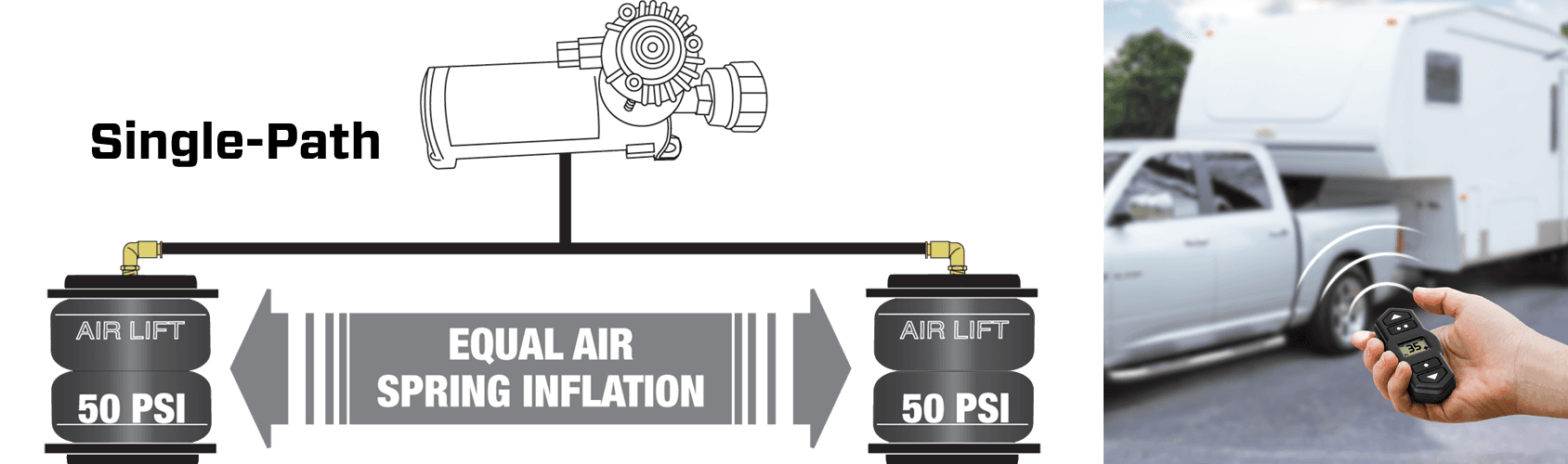
The difference is how the system controls the two air springs.


Dual-Path
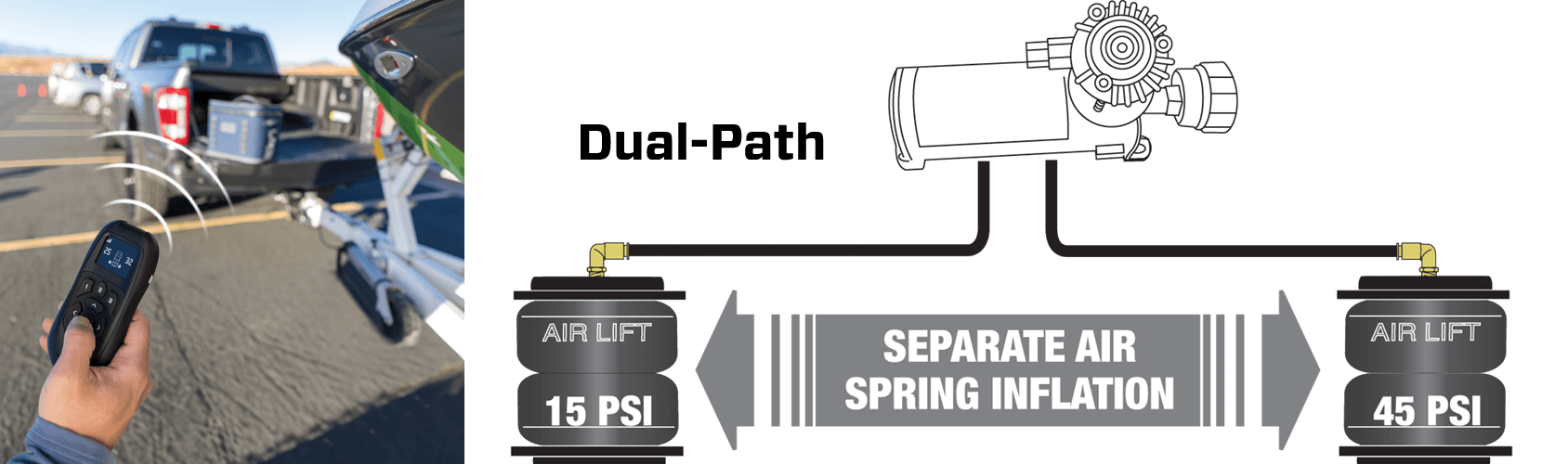
A dual-path system allows the left and right air springs to be controlled independently.
That gives you the ability to compensate for uneven or top-heavy loads by adding more pressure to one side than the other.
Single-Path vs. Dual-Path
Feature | Single-Path | Dual-Path |
Air Spring Control | Both together | Each independently |
Left/Right Pressure | Same | Can be different |
Best For | Evenly distributed loads | Uneven or top-heavy loads |
Typical Use | General towing and hauling | Slide-in campers, work vehicles and uneven cargo |
Air Lift Options | WirelessOne, LoadController Single | WirelessAir, LoadController Dual |
For many towing applications, a single-path system provides all the control that's needed. If your vehicle regularly carries loads that aren't evenly distributed, dual-path control may be the better choice.
Wireless vs. Analog Compressor Systems
The next decision is how you'd like to control your air springs.
Air Lift offers both traditional analog and wireless systems.

Analog Compressor Systems
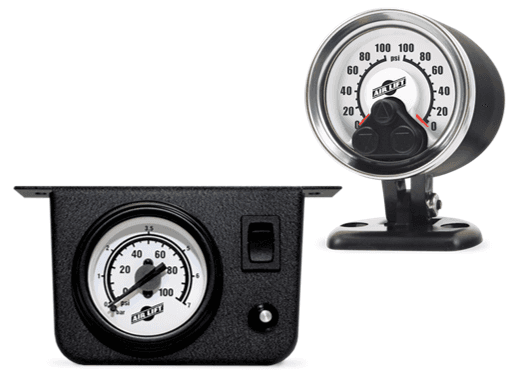
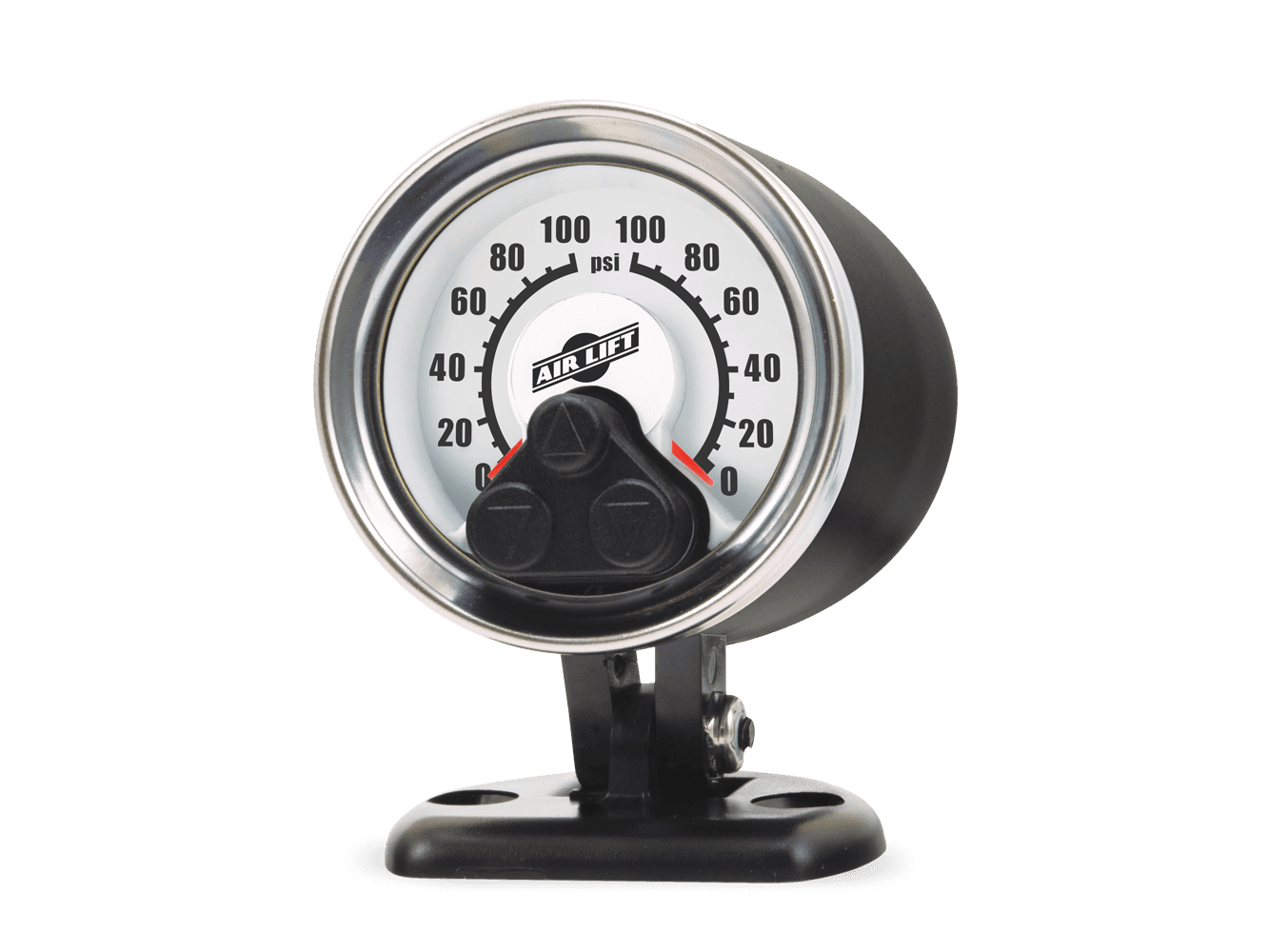
An analog system such as LoadController uses an in-cab gauge to monitor and adjust air spring pressure.
It's a straightforward approach for drivers who prefer a physical control inside the vehicle.
LoadController Compact is available in both single- and dual-path configurations, giving drivers the option to control both air springs together or independently.

Wireless Compressor Systems
WirelessOne and WirelessAir eliminate the need to run air lines into the cab.
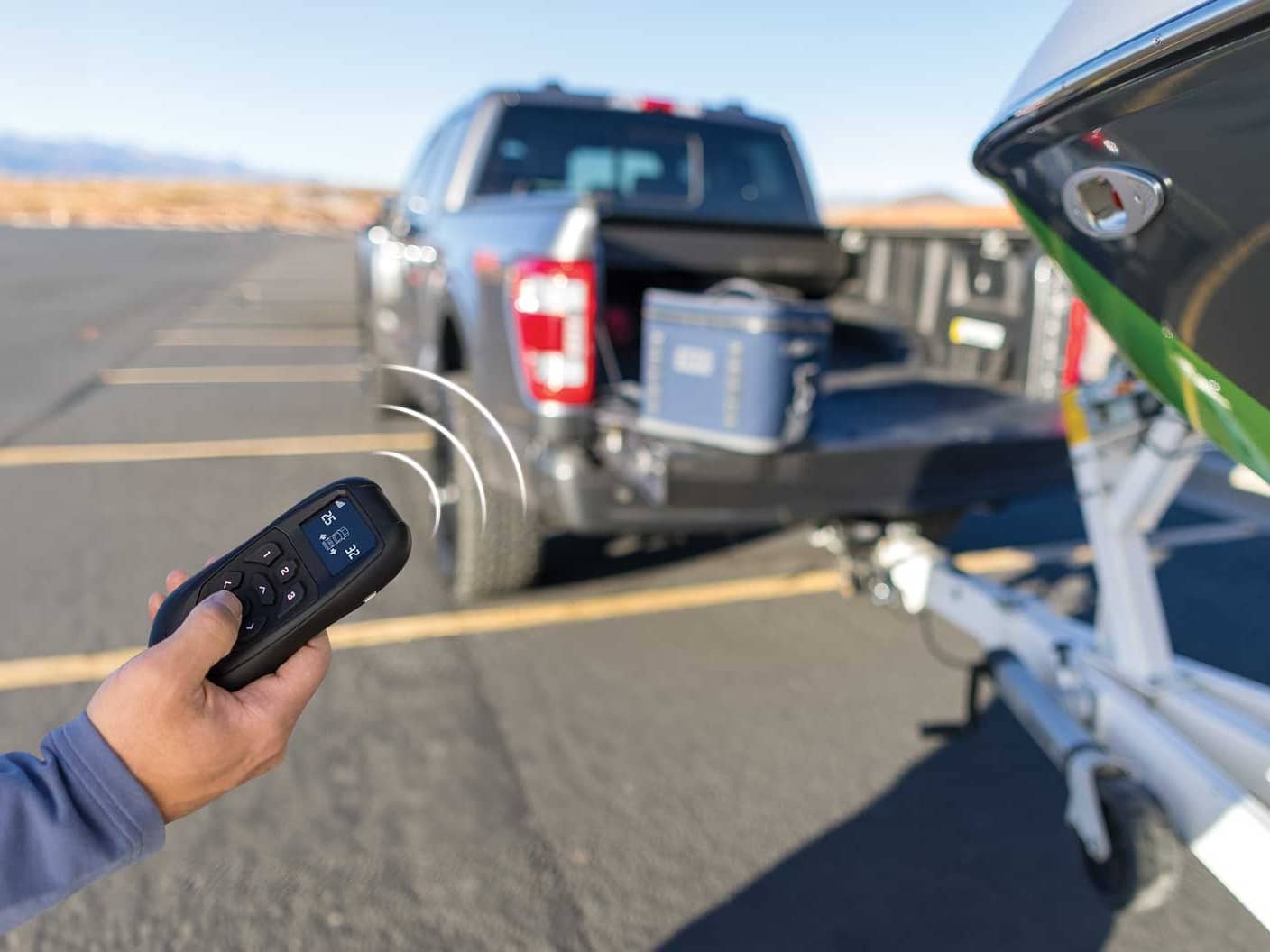
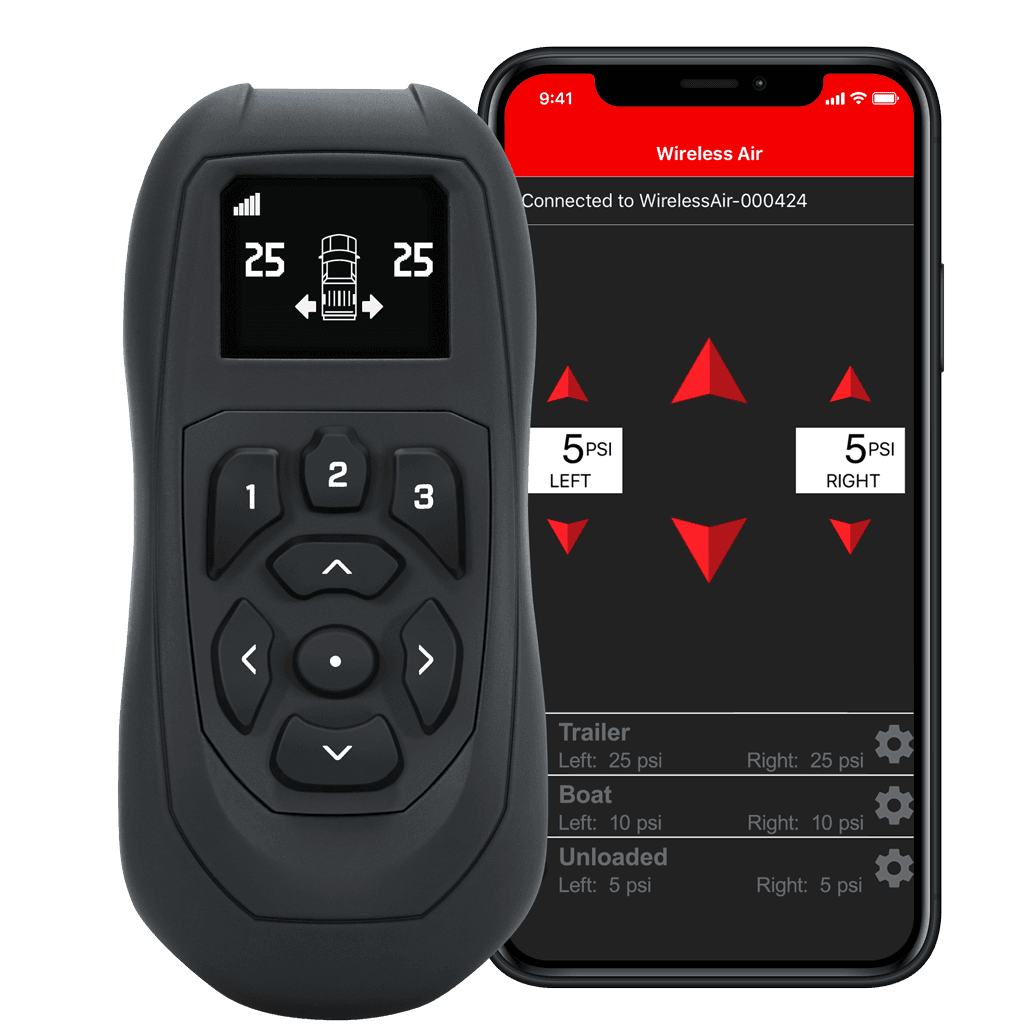
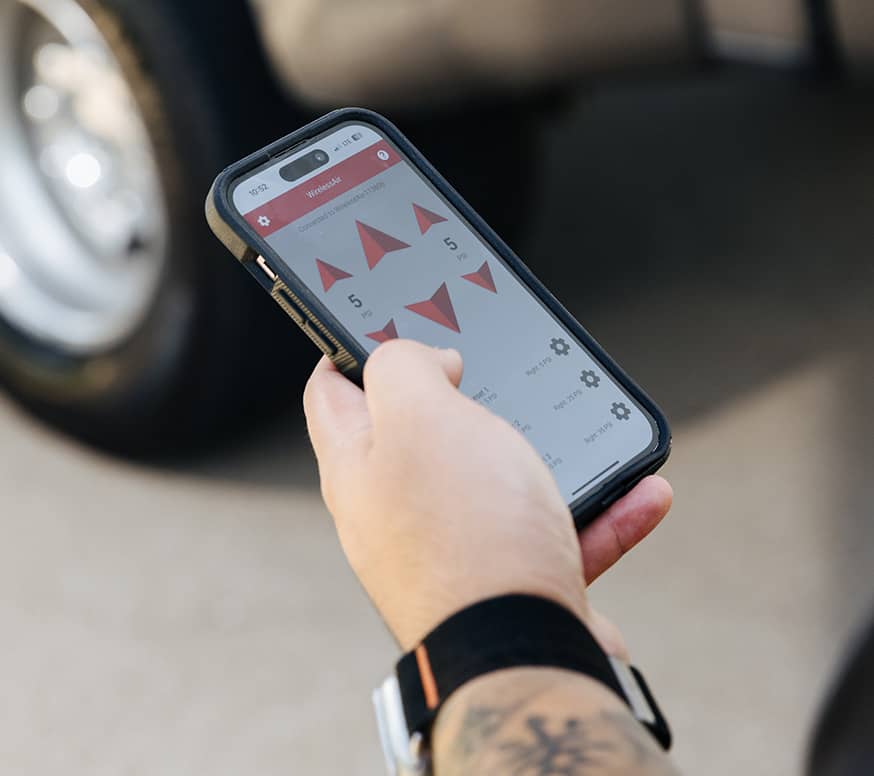
Instead, air spring pressure can be controlled wirelessly using a handheld controller and mobile app, depending on the system.

Wireless control also lets you make adjustments from outside the vehicle — helpful when hooking up a trailer, loading cargo, or visually checking vehicle level.
Analog vs. Wireless
Feature | Analog | Wireless |
Control | In-cab gauge | Handheld controller/mobile app |
Air Lines Into Cab | Yes | No |
Control Outside Vehicle | No | Yes |
Pressure Monitoring | Gauge | Digital controller/app |
Installation | Requires routing to cab | No air lines to cab |
Air Lift Systems | LoadController | WirelessOne, WirelessAir |
Neither approach is inherently better. The right choice depends on the level of convenience, control, and technology you want from your system.
Standard-Duty vs. Heavy-Duty Compressors
You'll also see different compressor sizes when comparing systems.
So, do you need a standard-duty or heavy-duty compressor?
For drivers who tow or haul only occasionally, a standard-duty compressor can provide the air needed to make normal air spring adjustments.
Drivers who tow or haul frequently may benefit from a heavy-duty compressor, particularly when faster inflation or frequent higher-pressure use is important.
Think about how you use your vehicle:
Occasional towing or hauling: A standard-duty compressor may be all you need.
Frequent towing or hauling: Consider a heavy-duty compressor.
Frequent higher-pressure operation: A heavy-duty compressor may be the better fit.
The compressor doesn't change the load-leveling capacity of your air springs. It changes how quickly and frequently you can supply air to them.
Which Air Lift Compressor System Is Right for You?
Air Lift offers several onboard compressor options designed around different needs and budgets.
System | Control | Path | Best For |
LoadController Compact | Analog in-cab gauge | Single or Dual | Straightforward, economical onboard control |
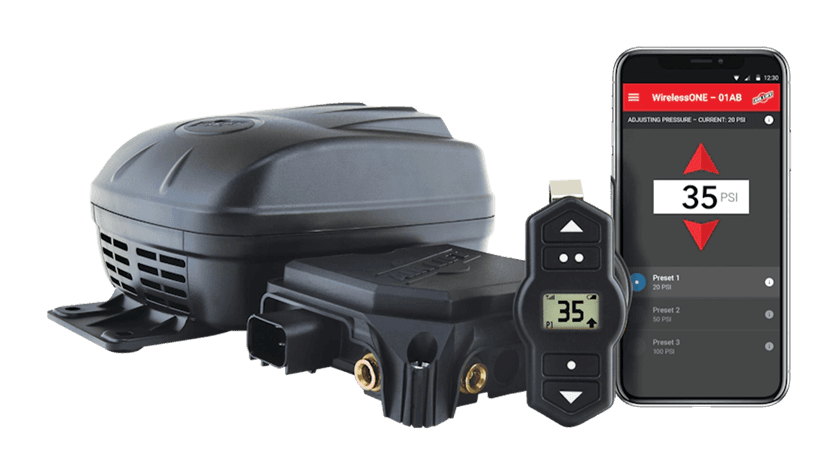
WirelessOne | Wireless controller + mobile app | Single | Evenly distributed loads and wireless convenience |
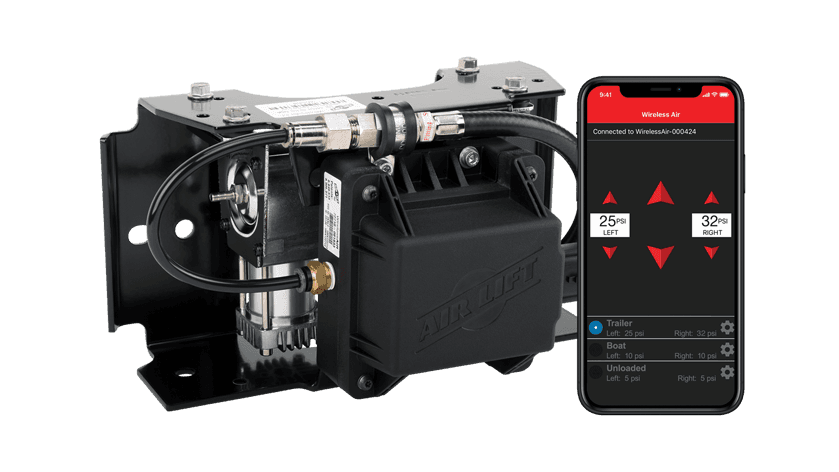
WirelessAir | Wireless controller + mobile app | Dual | Independent air spring control and uneven loads |

Choose LoadController If...
You want straightforward in-cab control and prefer a traditional analog gauge.
LoadController Compact includes a heavy-duty compressor and is available in both single- and dual-path configurations.

Choose WirelessOne If...
You want wireless control and typically carry evenly distributed loads.
WirelessOne provides single-path control, inflating and deflating both air springs equally. A wireless handheld controller and free mobile app allow you to make adjustments from inside or outside your vehicle.
Three user-defined presets also allow you to save commonly used pressure settings.

Choose WirelessAir If...
You want Air Lift's premium wireless control and the ability to adjust your left and right air springs independently.
WirelessAir's dual-path design makes it particularly useful for uneven or top-heavy loads where one side of the vehicle may require more support than the other.

What Is EZ Mount?
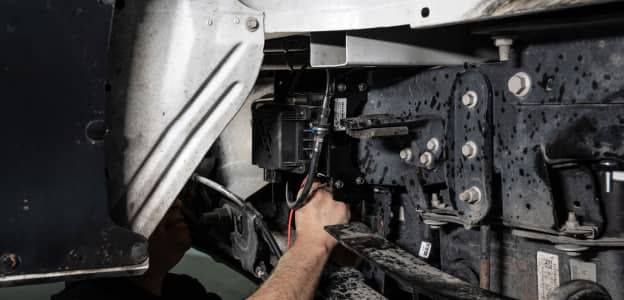
Installing an onboard compressor traditionally means finding locations for several individual components and mounting them to the vehicle.
EZ Mount simplifies that process.
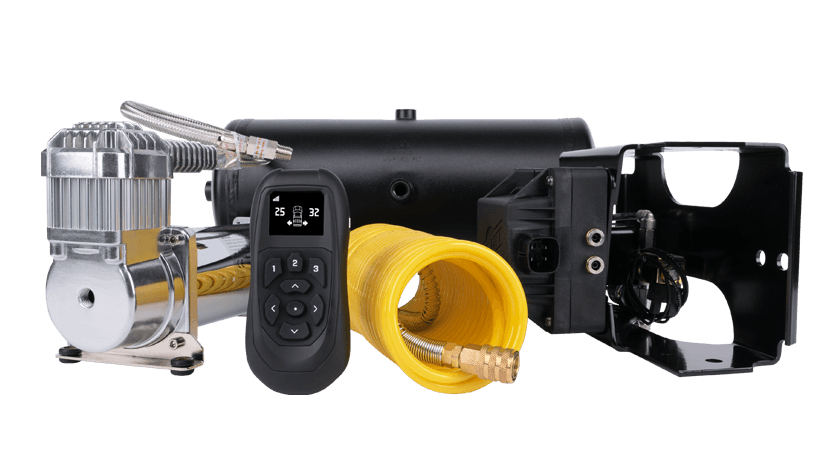
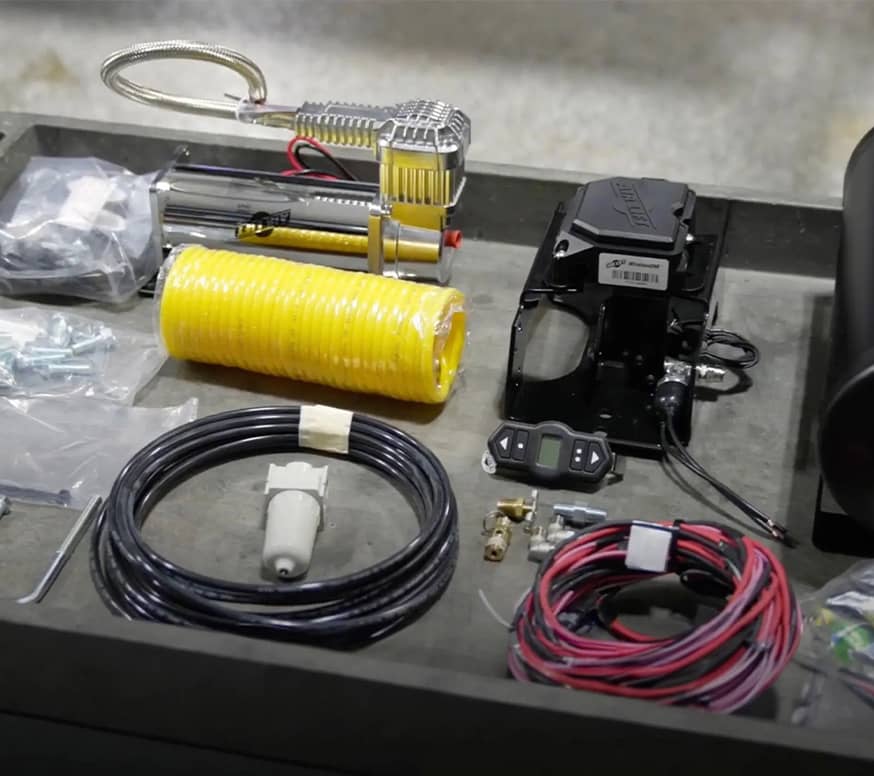
Available on select WirelessOne and WirelessAir systems, EZ Mount combines the compressor and manifold on a pre-assembled, factory-tested bracket.
The organized assembly reduces the number of individual components that need to be mounted and can reduce installation time by up to an hour.
For drivers looking to add onboard air while simplifying installation, choosing an EZ Mount system can make the process significantly easier.
What About an Onboard Air Tank?
Some drivers want more than air spring control — they want a readily available supply of compressed air.
That's where Air Lift's tank-equipped systems come in.

WirelessOne Tank + EZ Mount and WirelessAir Tank + EZ Mount add a 2-gallon auxiliary air tank along with a quick-connect coiled air hose.
The tank provides an onboard supply of compressed air that expands the functionality of your system beyond suspension adjustment.
It's a useful option for drivers who want onboard air available when they're towing, hauling, camping, working, or traveling.
Can Air Lift Compressor Systems Work With Other Air Spring Brands?
Yes. Air Lift onboard compressor systems are designed to work with most brands and styles of air springs, not just Air Lift systems.
That means you can add an Air Lift compressor system even if your vehicle already has a compatible air spring system from another manufacturer.
Always verify compatibility and installation requirements before purchasing.

Which is better?
Onboard Compressor vs. Portable Compressor
Both can inflate your air springs, but they're designed around different priorities.
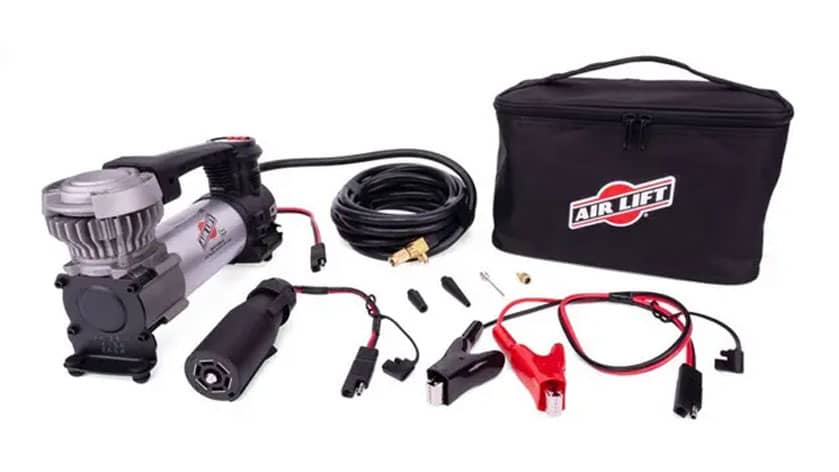
A portable compressor is a good option if you only need to make occasional adjustments and don't mind manually connecting the compressor to your air springs.
An onboard compressor is permanently installed and ready whenever you need it.
Portable Compressor | Onboard Compressor |
No permanent installation | Permanently installed |
Manual connection required | Connected directly to air springs |
Good for occasional adjustments | Ideal for frequent adjustments |
Must be stored/carried | Always with the vehicle |
Manual inflation | Push-button or wireless control |
If you're only towing a few times per year, a portable compressor may be enough. If your load changes frequently or convenience is a priority, onboard air becomes much more valuable.
Frequently Asked Questions
Do I need an onboard compressor for air bags?
No. Air springs can be inflated manually through Schrader valves using an external air source. An onboard compressor simply makes it easier to adjust your air spring pressure whenever your load changes.
Can I adjust my air bags while driving?
Air Lift onboard compressor systems provide on-the-go control of your air spring pressure. Always operate your system responsibly and follow the instructions provided with your specific compressor and air spring system.
What's the difference between single-path and dual-path compressors?
Single-path systems inflate both air springs to the same pressure. Dual-path systems allow the left and right air springs to be adjusted independently, making them useful for uneven or top-heavy loads.
Do I need a heavy-duty compressor?
It depends on how frequently you use your air springs. Standard-duty compressors can be a good choice for occasional towing and hauling, while heavy-duty compressors are better suited for frequent use and applications requiring higher pressures.
Can an onboard air compressor inflate tires?
Select Air Lift systems equipped with an auxiliary air tank provide a readily available compressed-air supply through a quick-connect hose. Always verify the pressure and airflow requirements of whatever you're inflating and follow the instructions for your specific system.
Is wireless or analog air spring control better?
It depends on your preferences. Analog systems provide straightforward physical controls inside the cab. Wireless systems eliminate air lines to the cab and allow adjustments from inside or outside the vehicle using a handheld controller or smartphone app.
Can Air Lift compressor systems work with other brands of air bags?
Air Lift's onboard compressor systems are designed to work with most brands and styles of air springs. Check the requirements for your specific system before installation.
Do onboard compressors increase air spring load capacity?
No. Adding a compressor does not increase the load-leveling capacity of your air springs or your vehicle's payload or Gross Vehicle Weight Rating (GVWR). The compressor simply provides a convenient way to adjust air spring pressure.
Take Control of Your Air Springs
An onboard compressor isn't required to enjoy the benefits of air springs — but it can transform how easy your system is to use.
Whether you're hooking up a camper for a weekend trip, loading equipment into a work truck, carrying an uneven payload, or simply transitioning back to unloaded driving, onboard air gives you the ability to adjust your suspension whenever your needs change.
From straightforward analog control with LoadController to wireless convenience with WirelessOne and independent dual-path control with WirelessAir, Air Lift offers compressor systems for a variety of vehicles, loads, and lifestyles.
Explore Air Lift On-Board Compressor Systems to find the level of control that's right for you.
*Never exceed the vehicle manufacturer's recommended Gross Vehicle Weight Rating (GVWR).