What Is GVWR and Why Does It Matter?
12/30/2025
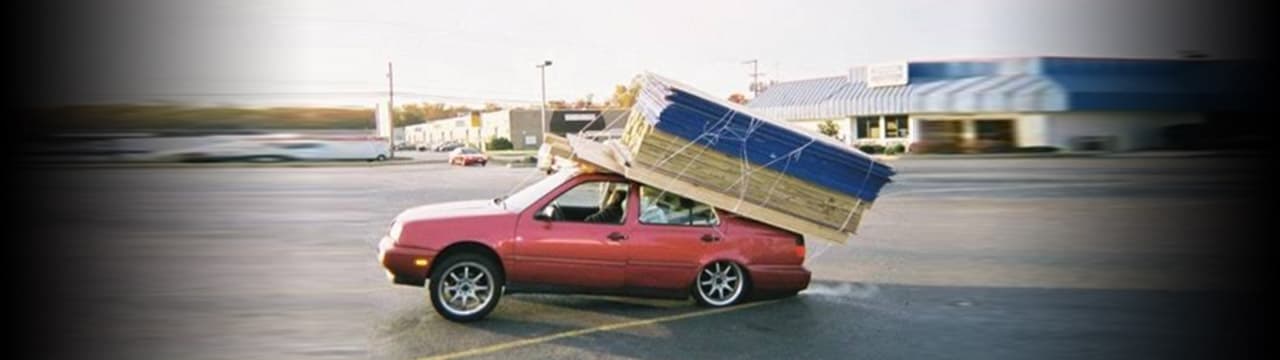
Understanding your vehicle’s GVWR (Gross Vehicle Weight Rating) is essential for safe, confident towing and hauling. Exceeding GVWR doesn’t just increase wear and tear, it can negatively impact handling, braking, steering, and overall vehicle control. Whether you tow a trailer, haul gear, or load up passengers, knowing your limits helps protect both your vehicle and everyone inside it.
What Does GVWR Mean?
GVWR is the maximum total weight your vehicle is designed to carry when fully loaded. This includes:
- The vehicle itself
- Fuel
- Passengers
- Cargo
- Accessories and gear
GVWR does not include the weight of a trailer.
Vehicle manufacturers establish GVWR based on the capabilities of the suspension, axles, frame, brakes, and tires. You can typically find your vehicle’s GVWR listed on:
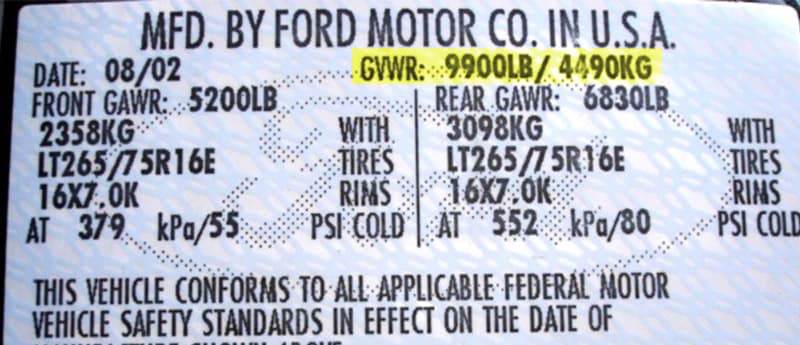
- The sticker inside the driver’s door jamb
- Your owner’s manual
- Vehicle documentation or title
How to Calculate Your Vehicle’s Load Capacity
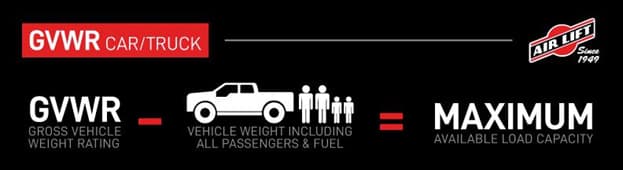
To determine how much weight your vehicle can safely carry, subtract the vehicle’s actual weight from its GVWR.
Example:
- GVWR: 10,000 lbs.
- Actual vehicle weight (with driver and fuel): 5,000 lbs.
Maximum load capacity: 5,000 lbs.
This remaining capacity must cover everything you add — passengers, tools, cargo, bed loads, and accessories.
What Is GVWR on a Trailer?
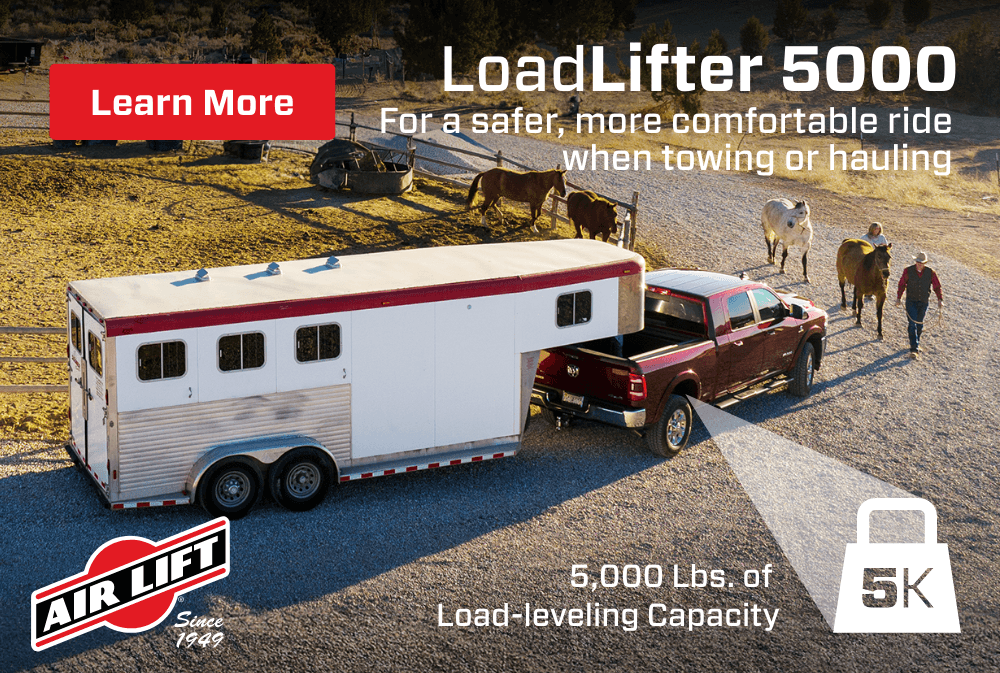
Trailers have their own GVWR as well. Trailer GVWR represents the maximum safe weight of the trailer and everything on it, including cargo, water, and equipment.
Trailer GVWR is typically listed on a label located on the tongue or frame. To calculate available trailer payload, subtract the empty trailer weight (also listed) from the GVWR.
Just like with vehicles, exceeding a trailer’s GVWR can lead to instability, excessive wear, and unsafe driving conditions.
What Happens If You Exceed GVWR?
Operating at or beyond GVWR puts significant strain on your vehicle. Common warning signs and risks include:
Suspension Bottoming Out
When suspension components fully compress and contact bump stops, potentially causing damage to shocks, springs, and mounts.
Trailer Sway
Excess weight can reduce stability, causing the trailer to sway side to side — especially at highway speeds or in crosswinds.
Rough Ride
Overloaded suspension struggles to absorb road impacts, increasing driver and passenger fatigue.
Light or Unstable Steering
Front-end lift caused by rear sag can reduce steering traction and responsiveness.
Poor Headlight Aim
Rear squat raises headlights, reducing forward visibility and blinding oncoming drivers.
Bouncing and Bucking
Uncontrolled suspension movement decreases overall vehicle control and driver confidence.
Ignoring GVWR limits can also contribute to premature failure of critical components like axles, brakes, and suspension parts.
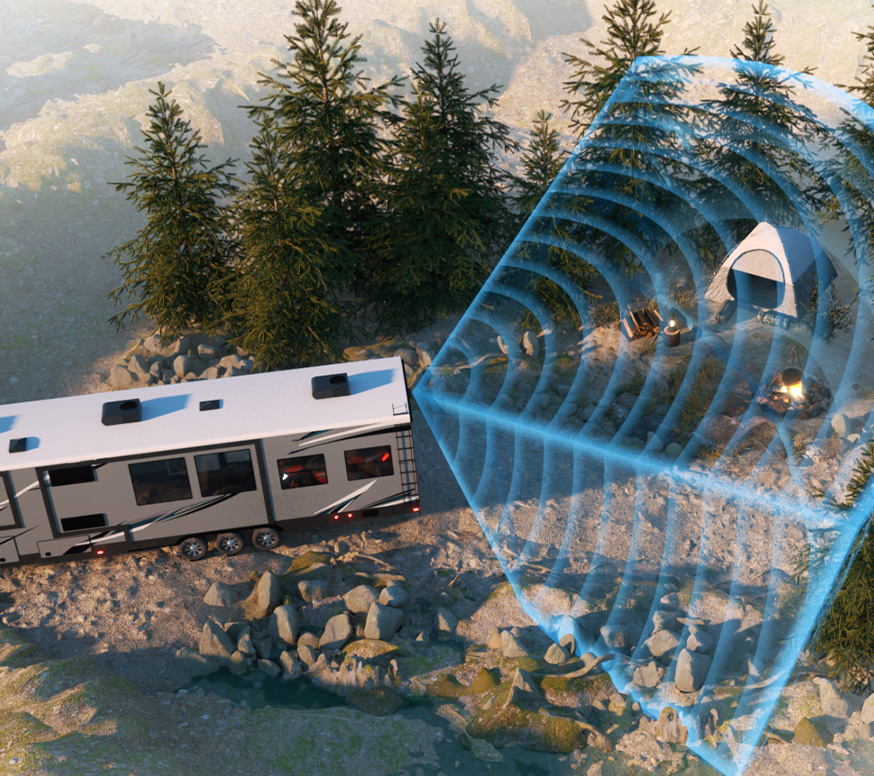
Enhance your towing experience with Towtal View HD Camera
Why Staying Level Matters When Near GVWR
When a vehicle approaches its GVWR, maintaining proper ride height becomes critical. A level vehicle helps preserve:
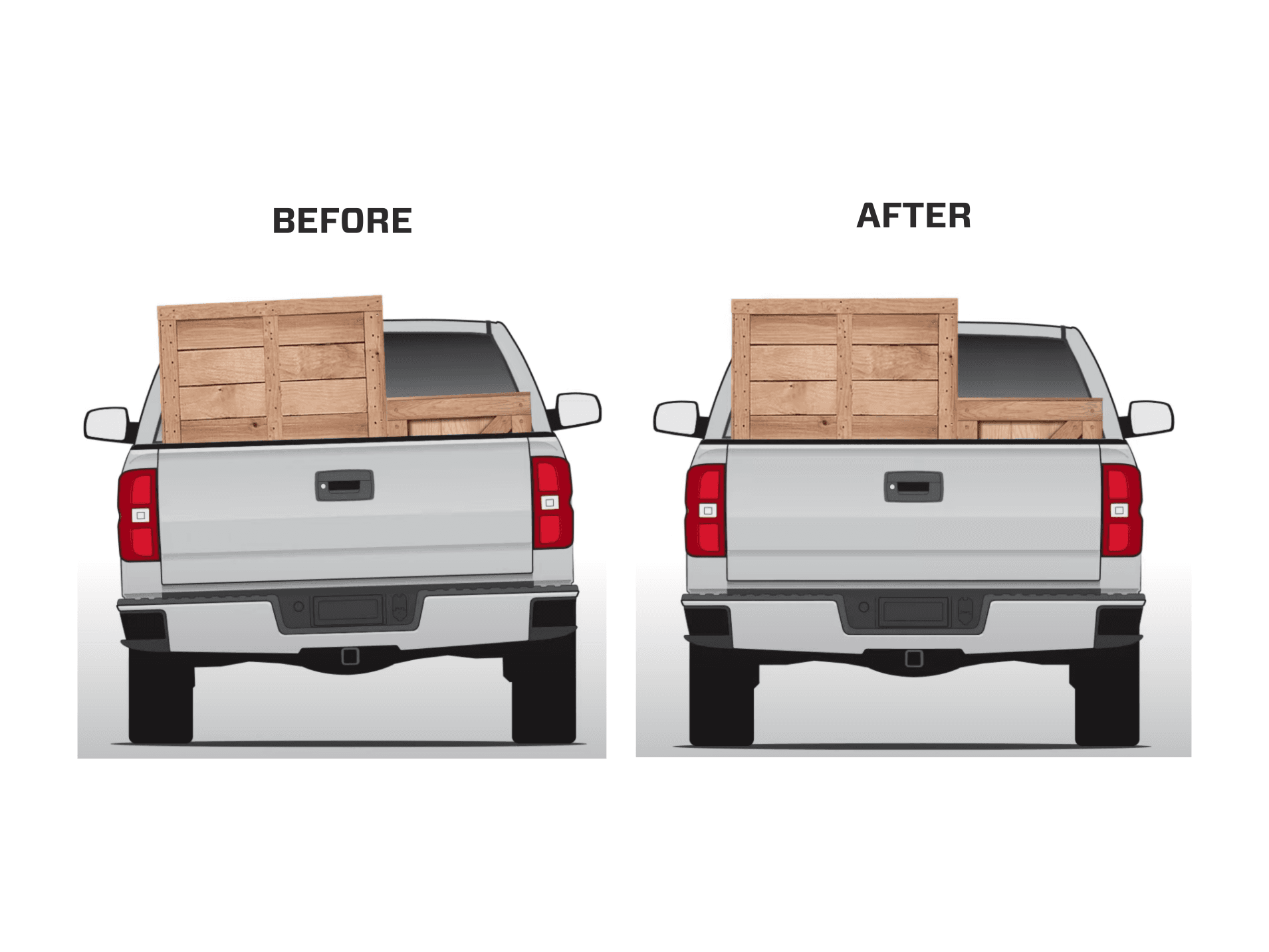
- Steering accuracy
- Braking performance
- Headlight alignment
- Overall stability and control
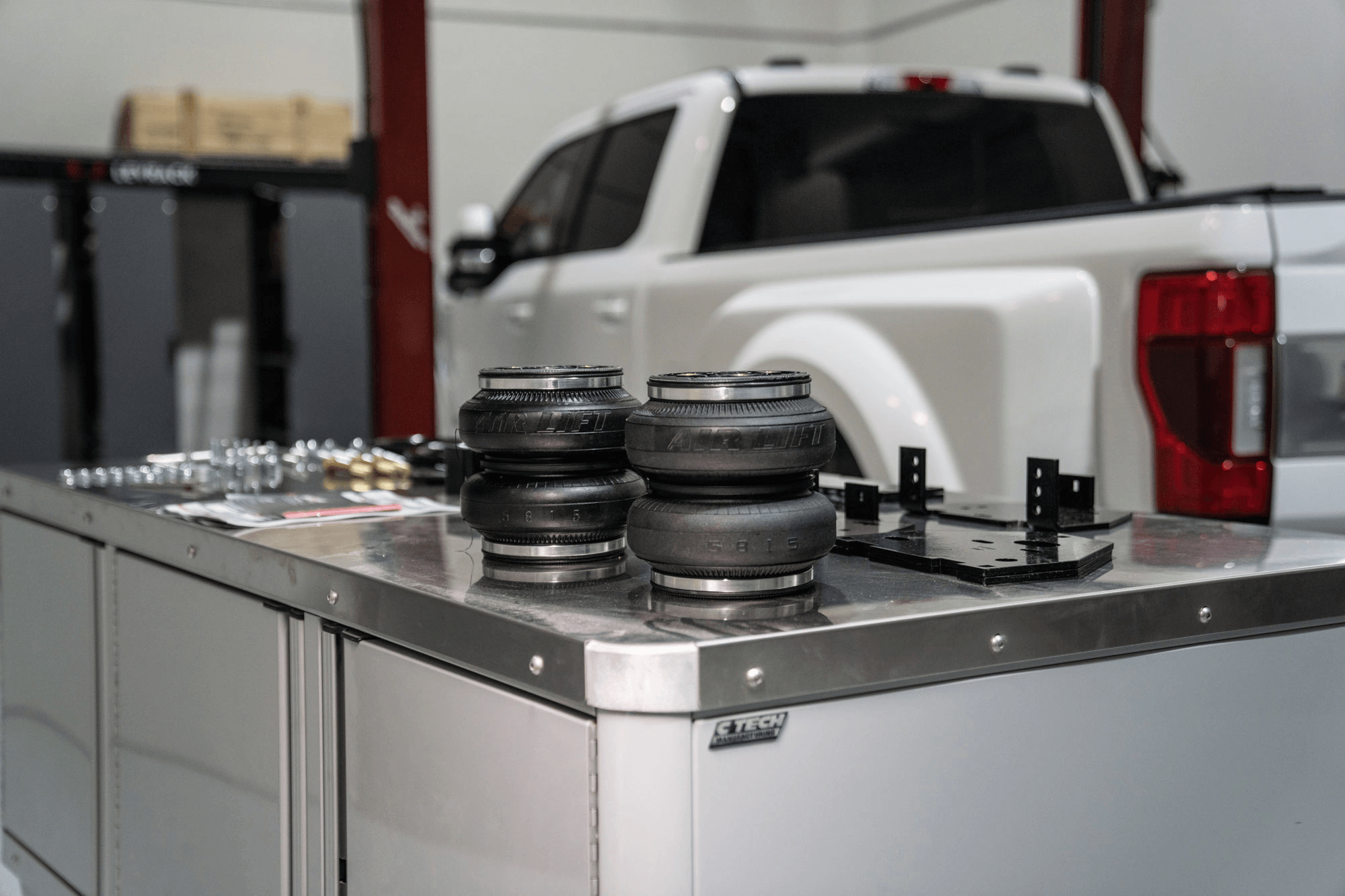
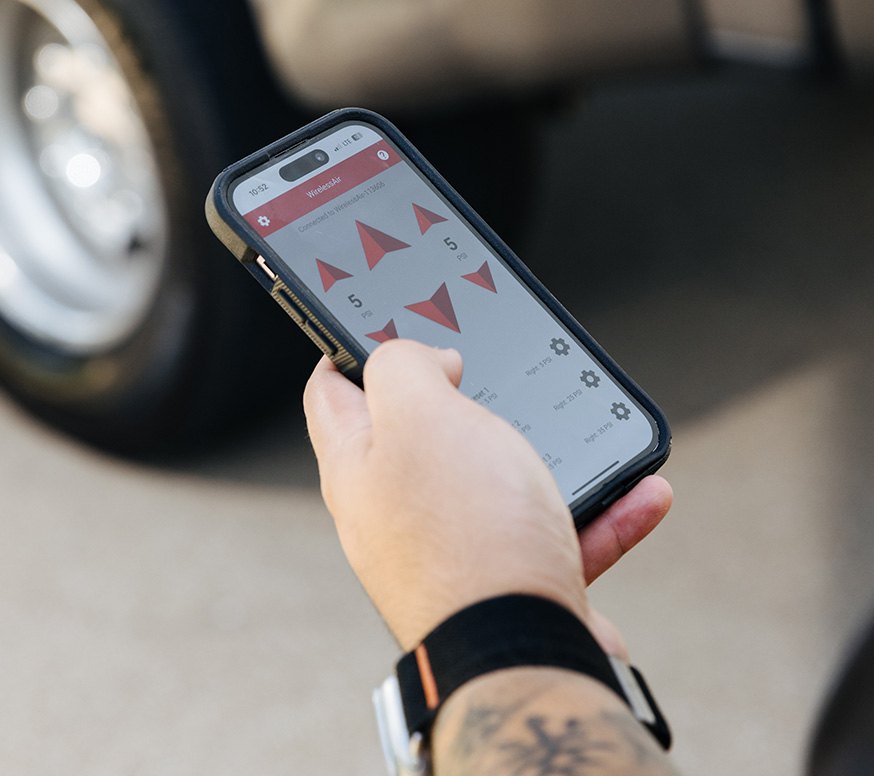
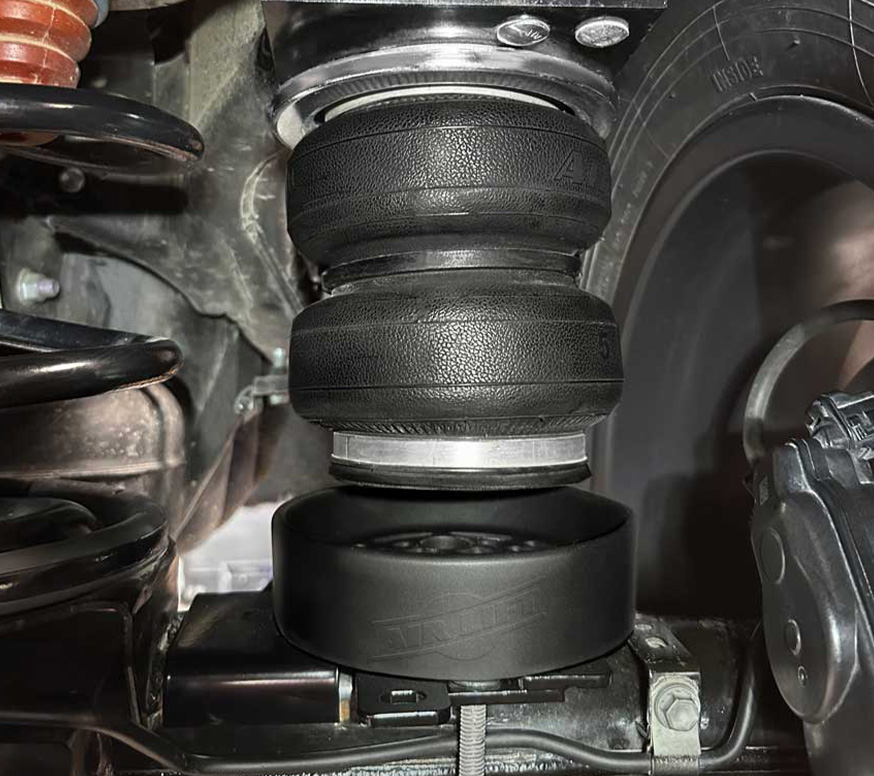
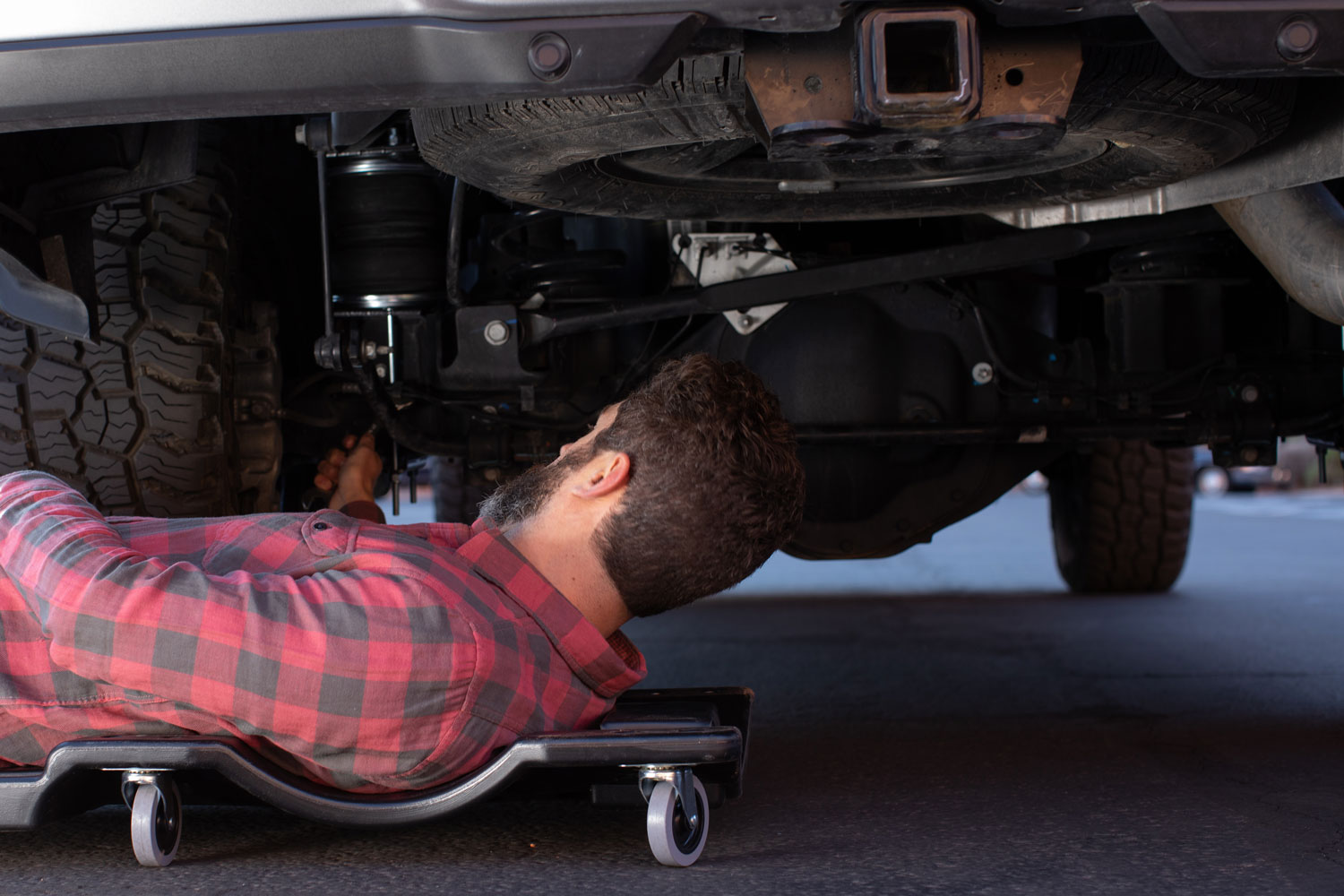
Supplemental load support systems, such as air suspension, are designed to help vehicles remain level when carrying heavy loads. While they do not increase GVWR, they can help manage the effects of weight by supporting the suspension and improving ride quality.
Staying Within GVWR with Confidence
If you regularly haul cargo, tow trailers, or load your vehicle near its capacity, understanding GVWR is one of the most important steps you can take toward safer driving. Combine proper loading practices with suspension solutions designed to support your vehicle under load, and you’ll enjoy better control, comfort, and peace of mind.
Whether you drive a heavy-duty pickup, an SUV, or a crossover used for work or family travel, staying informed — and level — helps ensure every mile is a safer one.
Happy hauling.
Do It Yourself
Every Air Lift air spring kit is designed to perfectly fit your vehicle. Enter your truck details and get started!
Find Your Vehicle