

6 Signs Your Vehicle Is Struggling with a Heavy Load
9/2/2026
Your truck or SUV can tell you a lot about how it's handling a heavy load. A sagging rear end, excessive sway or a noticeable change in steering aren't just changes in how the vehicle looks or feels, they're signs that you should take a closer look at your towing or hauling setup.
That doesn't necessarily mean your vehicle is overloaded. Added cargo or trailer tongue weight can change how the suspension behaves even when you're within the manufacturer's weight ratings. But those changes shouldn't be ignored.
Before towing or hauling, make sure your vehicle and trailer are properly loaded and within all manufacturer-specified weight ratings. Then pay attention to these six signs that your vehicle may be struggling under the added weight.
1. You're at or Over Your Vehicle's Weight Ratings
Before looking at the suspension, start with the numbers.
Your vehicle's Gross Vehicle Weight Rating (GVWR) is the maximum total operating weight specified by the vehicle manufacturer. That includes the vehicle itself, fuel, passengers, cargo, accessories and other weight carried by the vehicle.
GVWR is only one of the ratings you may need to consider. Depending on your towing or hauling setup, payload capacity, Gross Axle Weight Ratings (GAWR) and the vehicle manufacturer's towing limits may also apply.
Air springs and other suspension upgrades do not increase these ratings. If your loaded vehicle exceeds its manufacturer's limits, adding suspension support does not make the excess weight acceptable. Air Lift likewise specifies that its load-leveling capacities do not increase the vehicle manufacturer's GVWR.
Not sure where to start?

2. Your Vehicle Squats or Sags Under Load
One of the easiest signs to spot is truck squat, also called suspension sag.
When cargo or trailer tongue weight is added to the rear of the vehicle, the rear suspension compresses. If the rear drops noticeably, the vehicle can take on a nose-high, tail-low stance.
You may notice:
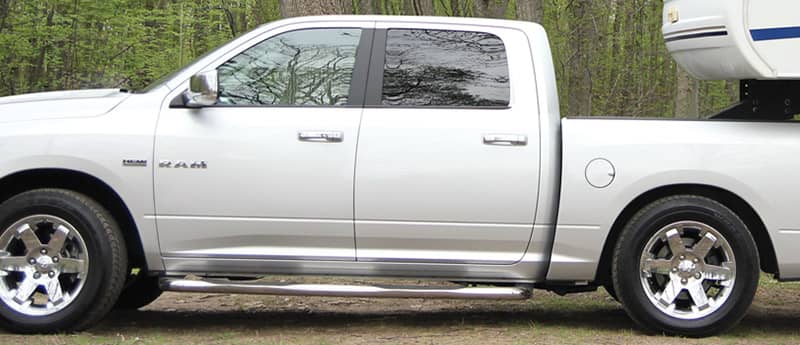
- Less space between the rear tires and wheel wells
- The front of the vehicle sitting higher than usual
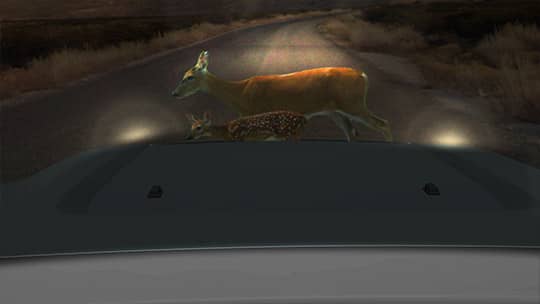
- Headlights aimed higher
- A visible difference between loaded and unloaded ride height
- Changes in steering or handling
The important distinction is that squat doesn't automatically mean you're over GVWR. It means the added weight is compressing the suspension. Your actual loaded weight must be compared with the vehicle manufacturer's ratings to determine whether you're overloaded. The original Air Lift article identifies suspension sag as a key warning sign, while current Air Lift load-support products are designed to reduce squat while operating within vehicle weight ratings.
If you're within your vehicle's ratings but still experiencing significant squat, supplemental load support may help the suspension better manage that weight.
3. Your Vehicle Leans to One Side
Front-to-rear squat isn't the only ride-height change to watch for.
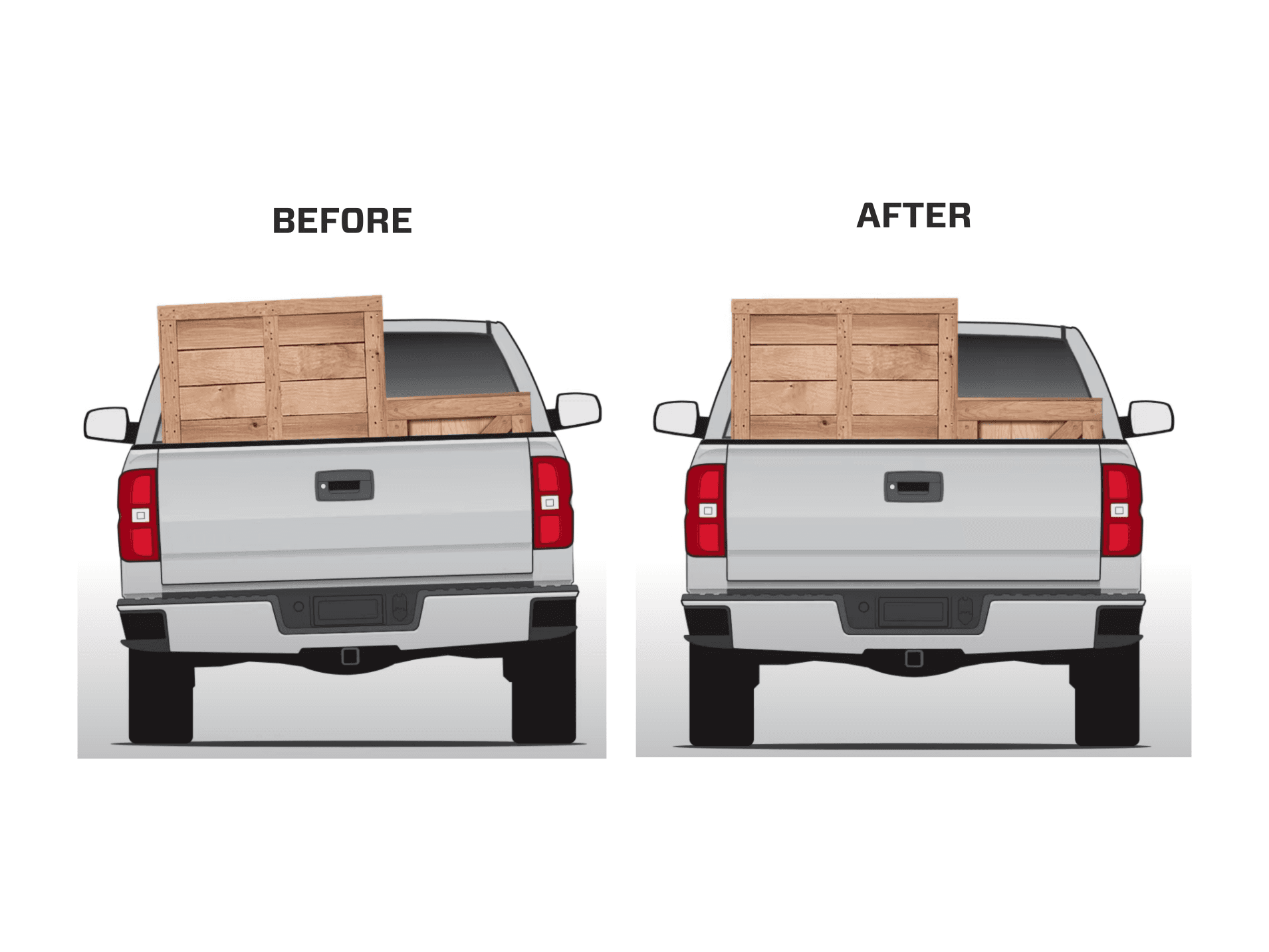
If one side of the vehicle sits lower than the other after loading, your cargo may be distributed unevenly. Equipment, tools, water tanks, campers and other heavy items can place substantially more weight on one side of the vehicle.
Uneven loading can affect how the vehicle responds during cornering and over uneven road surfaces. It can also place unequal demands on the suspension and tires.
If you notice a lean:
- Check how the cargo is positioned.
- Verify the load is secured.
- Confirm individual axle and vehicle weight limits aren't being exceeded.
- Redistribute weight when possible before driving.
Don't use suspension adjustment to compensate for a load that is improperly positioned or exceeds the vehicle's ratings.
4. You Experience Excessive Sway or Bounce
A vehicle's handling naturally changes when weight is added, but excessive movement deserves attention.
You might notice the vehicle rocking from side to side around curves, continuing to bounce after hitting a bump or feeling less settled on uneven roads. These symptoms can indicate that the suspension is having difficulty controlling the additional load.
It's also important to distinguish vehicle body movement from trailer sway.
Trailer sway can have other causes, including improper trailer loading, tongue weight, hitch setup and driving conditions. If the trailer itself is moving from side to side, don't assume additional suspension support alone will correct the problem.
Air Lift air springs are designed to help reduce vehicle squat, sway and body roll when towing or hauling, but proper vehicle and trailer loading remains essential.
5. Your Suspension Bottoms Out
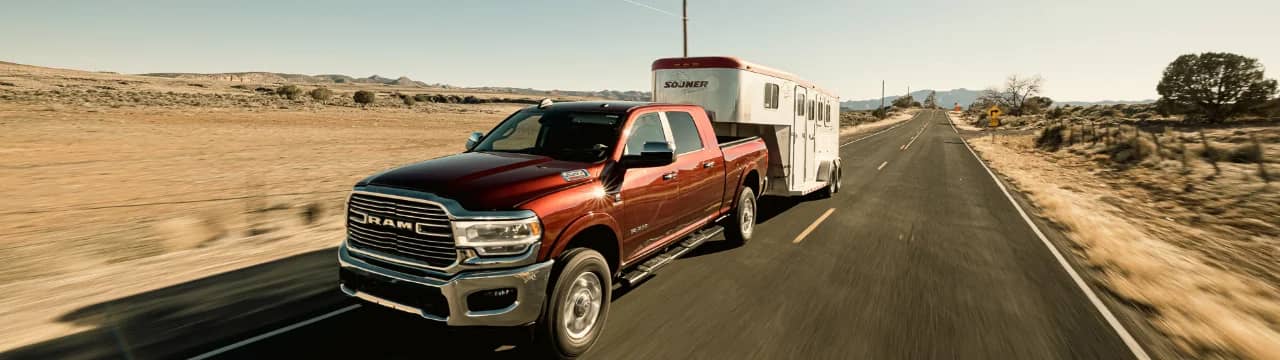
A hard jolt when you hit a bump, pothole or driveway transition may be a sign that your suspension is bottoming out.
Bottoming out occurs when the suspension compresses far enough that it reaches the limit of its available travel or engages its bump stops. Added cargo or trailer tongue weight can reduce the amount of suspension travel available to absorb the next bump.
Occasional contact with a factory jounce bumper can be part of its intended function, but repeated harsh bottoming under load is a reason to inspect your setup.
First, verify that the vehicle is within its weight ratings and that the load is properly positioned. If it is, supplemental suspension support may help reduce excessive compression and provide additional support when the vehicle is loaded. Air Lift's load-support products specifically identify reducing bottoming out as one of their intended functions.
6. Steering, Braking or Headlight Aim Feels Different
Sometimes you notice a heavy load from behind the wheel before you notice it by looking at the vehicle.
Added weight at the rear can change the vehicle's stance. If the rear suspension compresses significantly and the front rises, you may notice changes in:
- Steering response
- Braking feel
- Vehicle stability
- Headlight aim
- Overall driving confidence
If your vehicle suddenly feels noticeably different after adding a trailer or cargo, don't simply assume that's how towing or hauling is supposed to feel. Check the load, weight ratings, hitch setup, tires and suspension before continuing.
Is Your Vehicle Overloaded – or Does It Need More Suspension Support?
This is an important distinction.
Vehicle squat does not automatically mean the vehicle is overloaded. Added cargo or trailer tongue weight can compress the factory suspension even when the vehicle remains within its rated limits.
Start by confirming your actual loaded vehicle and trailer weights against the manufacturer's ratings. If you're over those limits, reduce or redistribute the load as appropriate. Suspension upgrades do not increase GVWR, GAWR, payload or towing capacity.
If you're within the vehicle's ratings but still experiencing excessive squat, bottoming out or unwanted body movement, supplemental load support may help the suspension better manage the weight.
That's where air springs can come in.
How Air Springs Help When Towing and Hauling
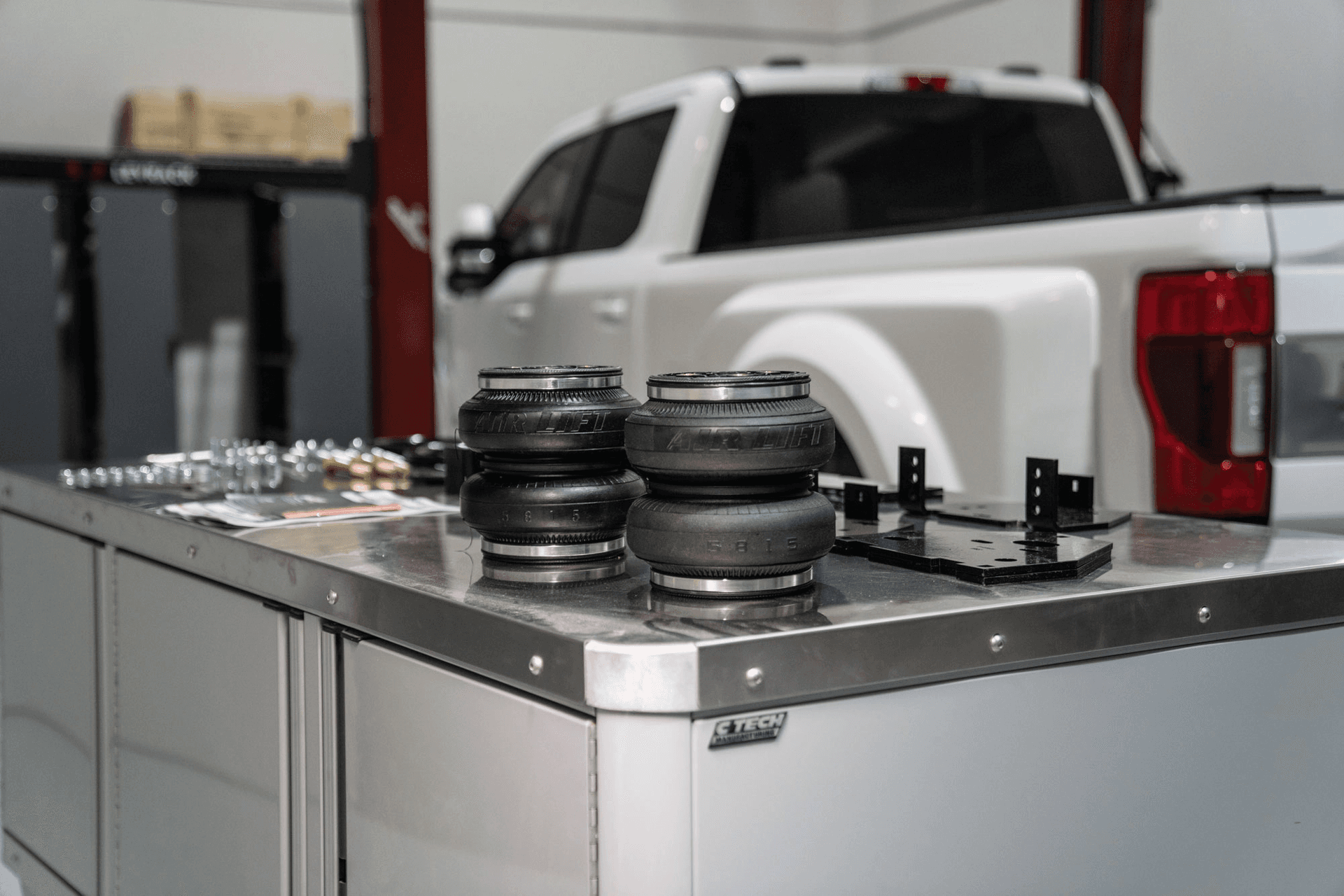
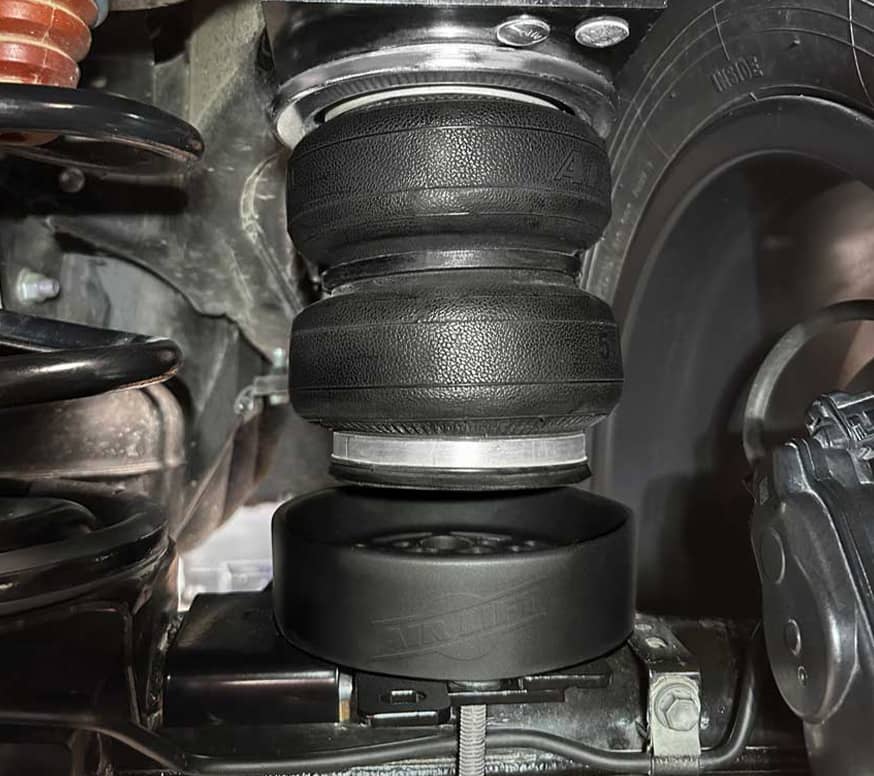
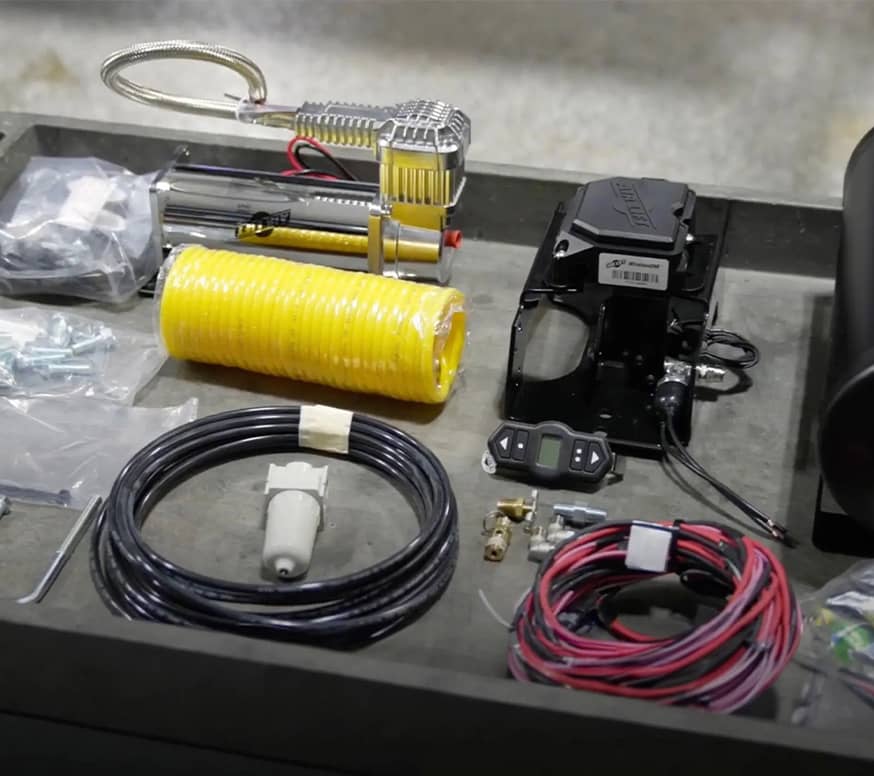
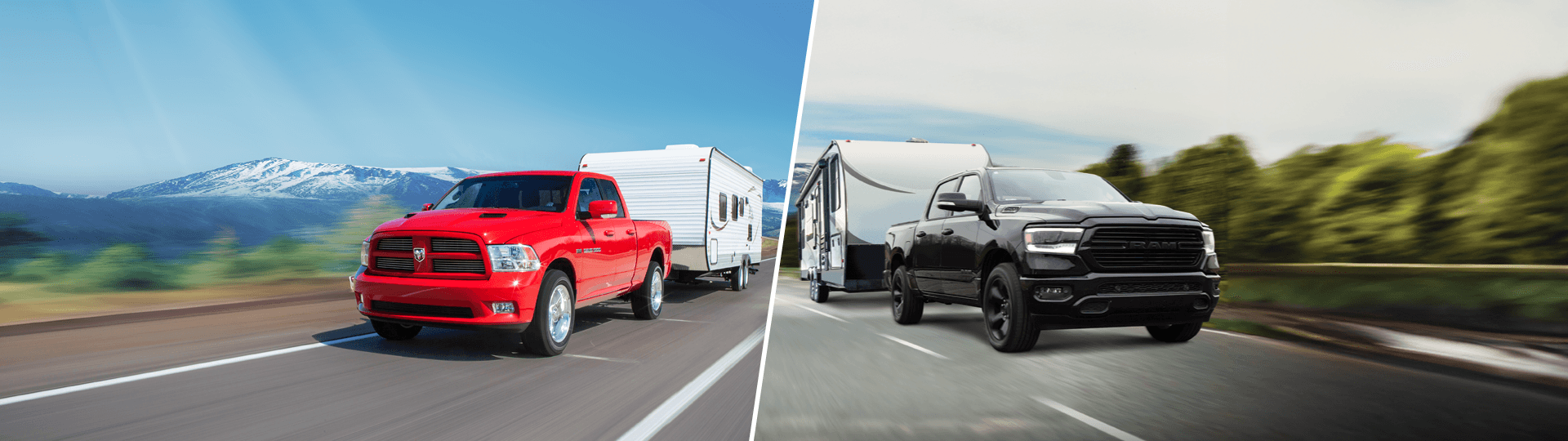
Air springs work with your vehicle's existing suspension to provide adjustable support when towing or hauling.
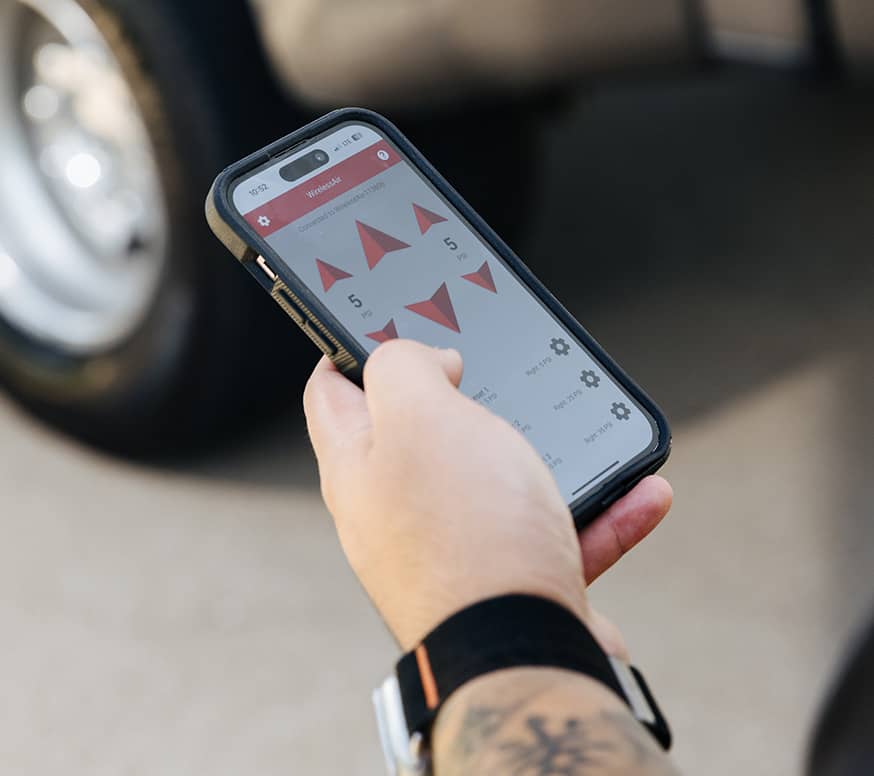
By increasing air pressure as weight is added, an air spring system can help restore proper ride height and reduce squat, sway, body roll and bottoming out. When the load comes off, pressure can be reduced toward the minimum specified for the particular system. Air Lift's current systems use this adjustability across applications ranging from coil-sprung vehicles to heavier-duty trucks and vans.
That adjustability is important because your suspension needs aren't always the same. The support needed for a fully loaded weekend towing trip may be very different from what the vehicle needs during an unloaded daily commute.
Air springs don't give your vehicle more payload or towing capacity. They help the suspension better manage the load the vehicle is already rated to carry.
Already have Air Lift air springs?

Heavy-Load and Truck Squat FAQs
Does truck squat mean my vehicle is overloaded?
Not necessarily. Squat tells you that added weight is compressing the suspension. To determine whether the vehicle is actually overloaded, compare its loaded weight with the vehicle manufacturer's GVWR, GAWR, payload and other applicable ratings.
Do air springs increase payload or towing capacity?
No. Air springs provide supplemental suspension support but do not increase the vehicle manufacturer's GVWR, GAWR, payload or towing ratings. Never exceed the manufacturer's recommended limits.
Why does my truck sag when I hook up a trailer?
Trailer tongue weight adds load to the tow vehicle. That weight compresses the rear suspension, which can cause the rear of the vehicle to sit lower. Some compression is part of normal suspension operation, but noticeable squat is a reason to verify weight, loading and suspension setup.
Why does my truck bottom out when towing?
Added weight compresses the suspension and reduces the amount of travel available to absorb bumps. If the suspension repeatedly reaches the end of its available travel, first verify the vehicle isn't overloaded and the load is properly positioned. Supplemental load support may help if the vehicle is operating within its ratings.
Can air springs help with truck squat?
Yes. Air springs are designed to provide adjustable supplemental support and help restore ride height when a vehicle is loaded. The appropriate air pressure depends on the load and specific air spring system.
Can air springs stop trailer sway?
Air springs can help reduce unwanted movement of the tow vehicle, but trailer sway can have several causes. Trailer loading, tongue weight, hitch setup, tires and driving conditions should also be evaluated. Don't use suspension support as a substitute for correcting an improperly loaded or configured trailer.
Pay Attention to What Your Vehicle Is Telling You
A vehicle that squats, leans, bottoms out or feels noticeably different under load is giving you information worth paying attention to.
Start with the fundamentals: know your weight ratings, load the vehicle and trailer properly and inspect your towing setup. If everything is within the manufacturer's limits but the suspension still struggles to manage the added weight, supplemental load support can help provide a more level, stable and comfortable towing or hauling experience.
The goal isn't to carry more than the vehicle was designed to handle. It's to help your vehicle handle its rated load with greater confidence.