How to Stop Trailer Sway: Proven Solutions for Safer, More Confident Towing
2/12/2026
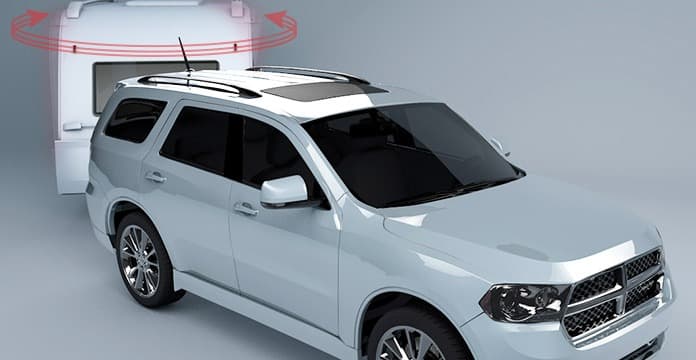
Trailer sway is one of the most common – and dangerous – problems drivers experience when towing. If you’ve ever felt your trailer begin to fishtail or push your vehicle side to side, you know how quickly sway can turn a normal drive into a white-knuckle situation.
The good news? Trailer sway is preventable. Understanding why it happens, and choosing the right suspension solution, is the key to towing safely and confidently.
What Causes Trailer Sway?
Trailer sway typically occurs when the balance between the tow vehicle and trailer is compromised. Common causes include:
- Rear-end squat caused by tongue weight
- Uneven or shifting trailer loads
- Crosswinds or passing vehicles
- Improper weight distribution
- Suspension components that can’t handle the load
When the rear of the vehicle sags, steering geometry changes, braking performance suffers, and the trailer gains leverage, creating the perfect conditions for sway.
How to Stop Trailer Sway (The Right Way)
Stopping trailer sway isn’t about one quick fix, it’s about restoring stability and control to the entire towing setup. Here are the most effective solutions.
1. Eliminate Rear-End Squat
Rear-end squat is one of the biggest contributors to trailer sway. When the back of the vehicle compresses under load, it reduces front axle traction and steering control.
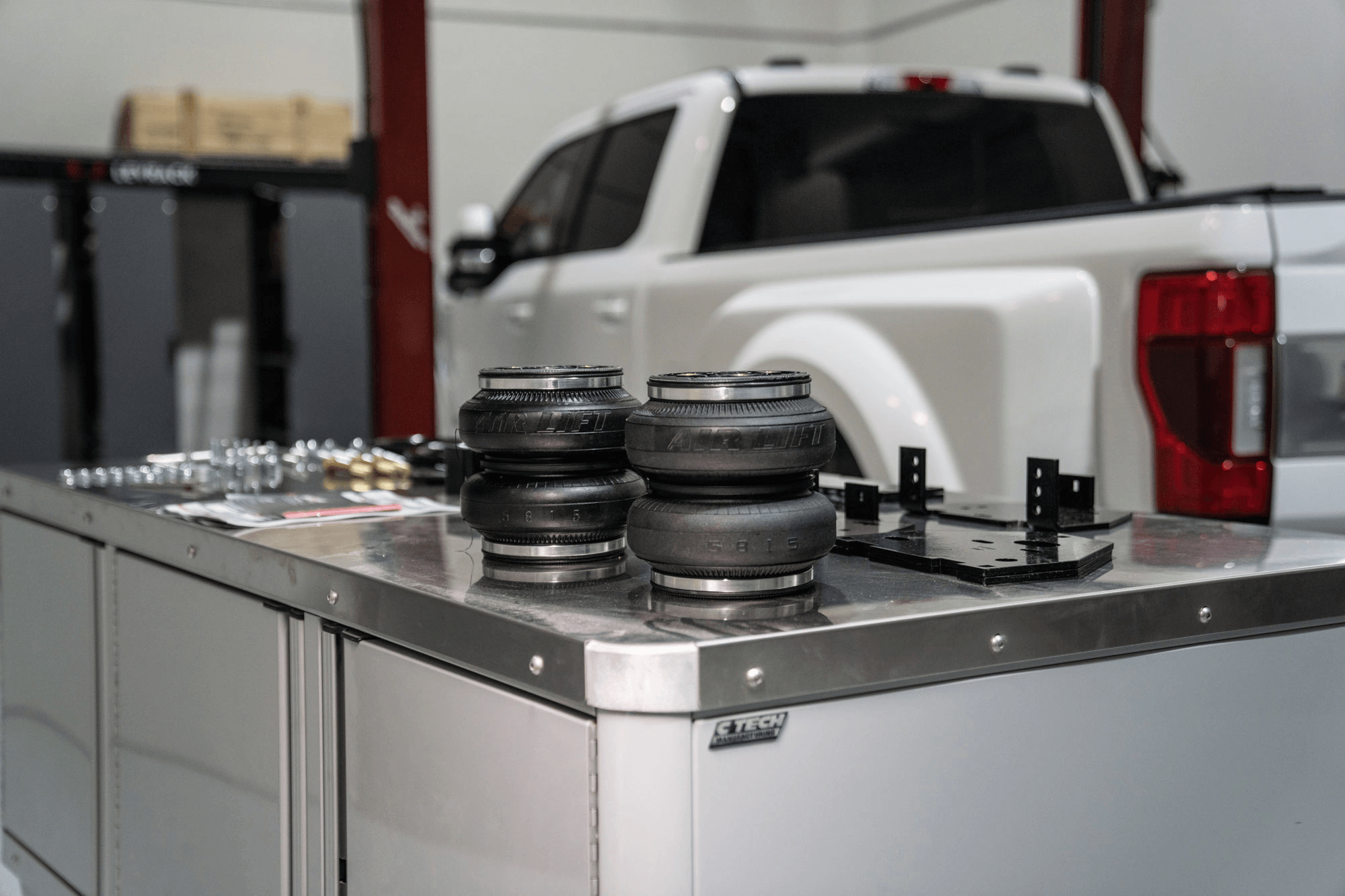
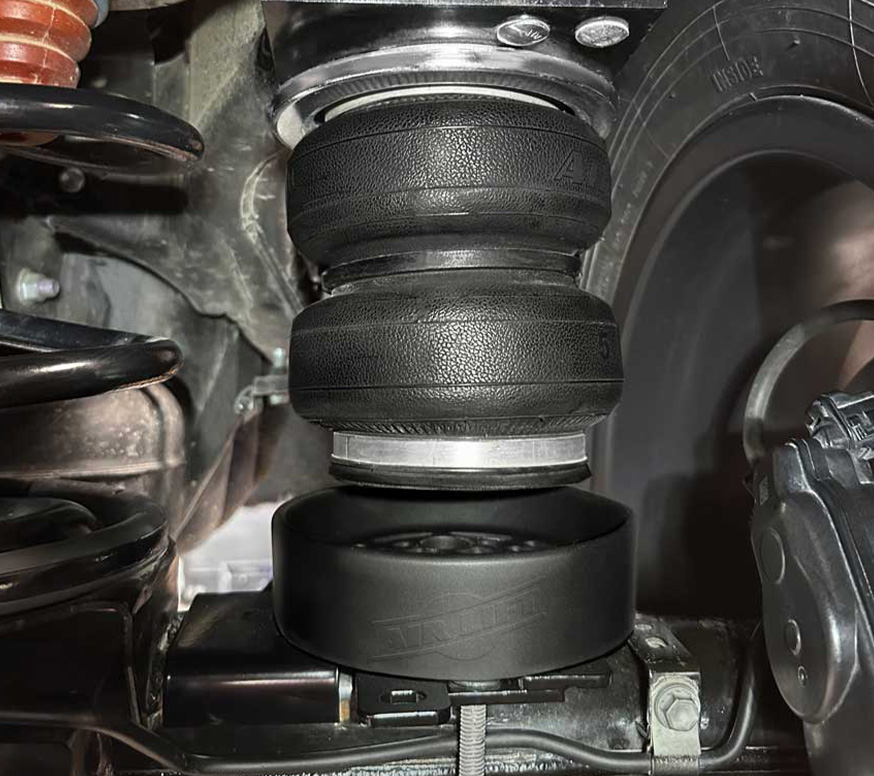
The fix: One of the most effective ways to stop trailer sway is to eliminate rear-end squat using air spring load support systems which help restore proper ride height and improve towing stability.
2. Improve Suspension Stability
Factory suspensions are designed for unloaded comfort, not consistent towing. Without additional support, body roll and sway become more pronounced.
The fix: Supplemental suspension solutions that engage under load to stabilize the vehicle.
3. Choose the Right Load Support for Your Needs
There’s no one-size-fits-all solution. The best way to stop trailer sway depends on how often you tow and how much adjustability you want.
Air Suspension (Maximum Control)
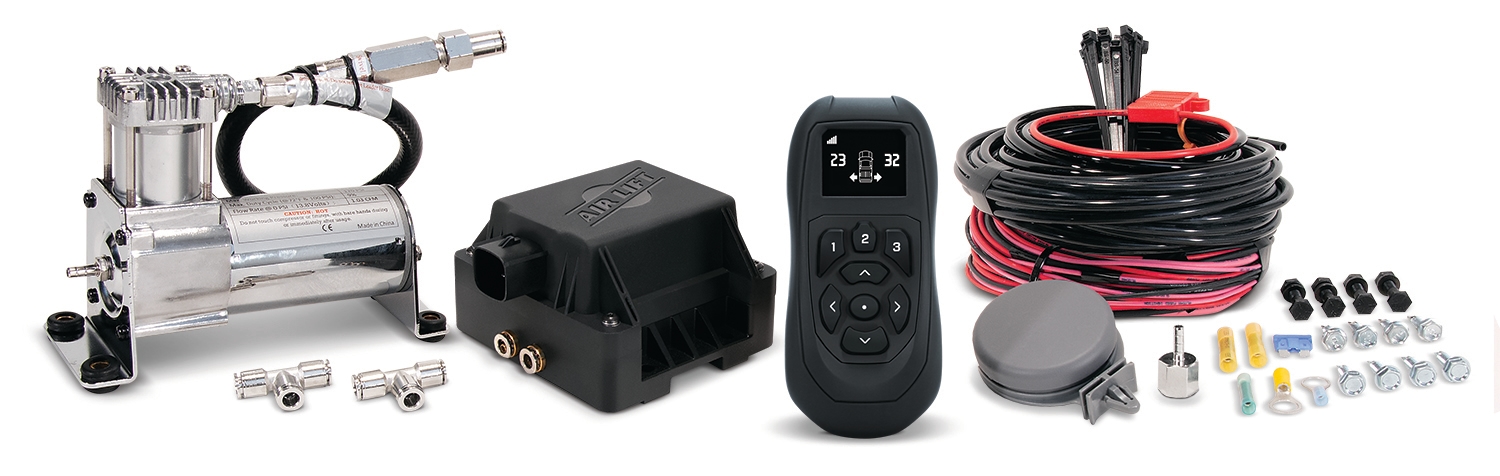
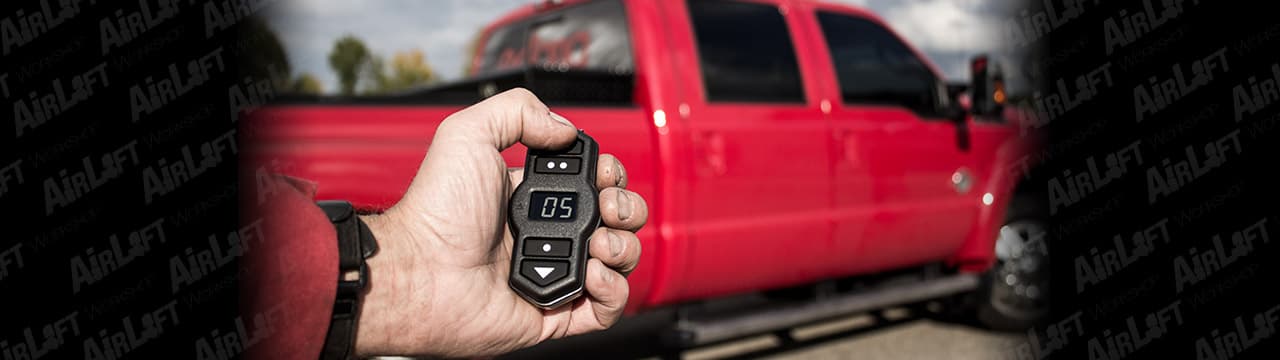
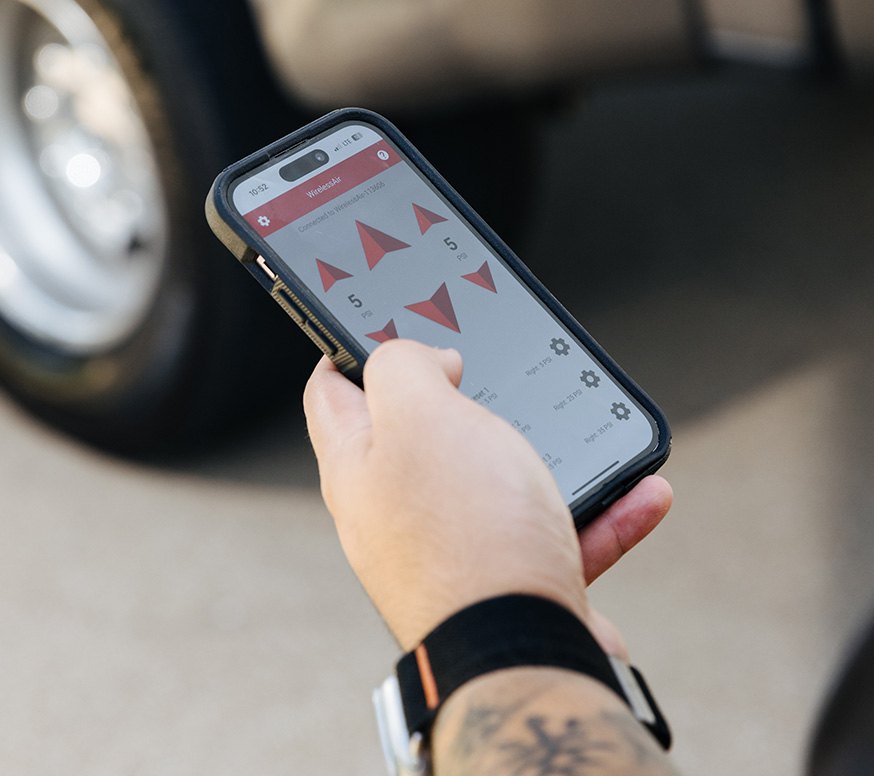
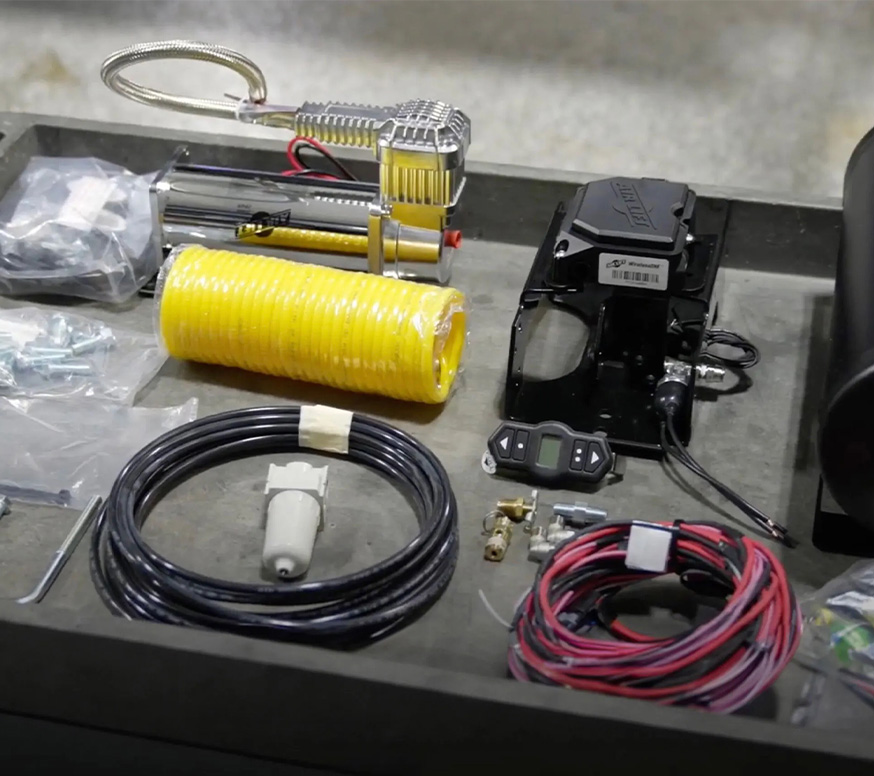
Air springs allow you to fine-tune support by adjusting air pressure based on load. This provides the highest level of control, ride quality, and versatility for frequent towing or heavy loads.
Air-Less Load Support (Maximum Convenience)
Air-less systems replace factory bump stops with various materials that engage under load. They’re ideal for drivers who want a simple, maintenance-free way to reduce squat and sway without air lines, compressors, or adjustments.

Enhance your towing experience with Towtal View HD Camera
Why Suspension Matters More Than Sway Control Accessories
While sway bars and weight distribution hitches help, they can’t fully compensate for a sagging tow vehicle. Suspension is the foundation of towing stability. If the vehicle isn’t level and stable, sway-control accessories are forced to work harder than they should.
Addressing suspension first leads to:

- Better steering response
- Improved braking performance
- Reduced trailer sway at highway speeds
- Greater driver confidence
The Air Lift Advantage
With more than 75 years of suspension expertise, Air Lift Company offers proven load support solutions designed to reduce squat and improve towing stability.
Air Lift products are designed to:
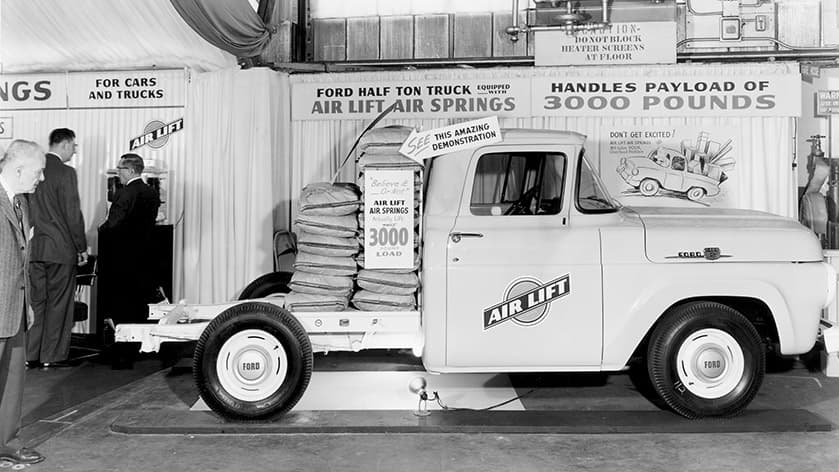
- Restore proper ride height under load
- Improve stability and control while towing
- Address common towing issues before they become safety concerns
- Provide an upgrade path if your towing needs change over time
Whether you prioritize maximum adjustability or set-it-and-forget-it convenience, the right suspension solution can dramatically reduce trailer sway and transform the towing experience.
Final Thoughts: Trailer Sway Is a Suspension Problem First
If you’re searching for how to stop trailer sway, start by looking at what’s happening under your vehicle. Eliminating squat, improving stability, and choosing the right load support solution are the most effective ways to tow safer and more confidently — mile after mile.