
How Air Suspension Improves Safety When Towing Heavy Loads
10/23/2025
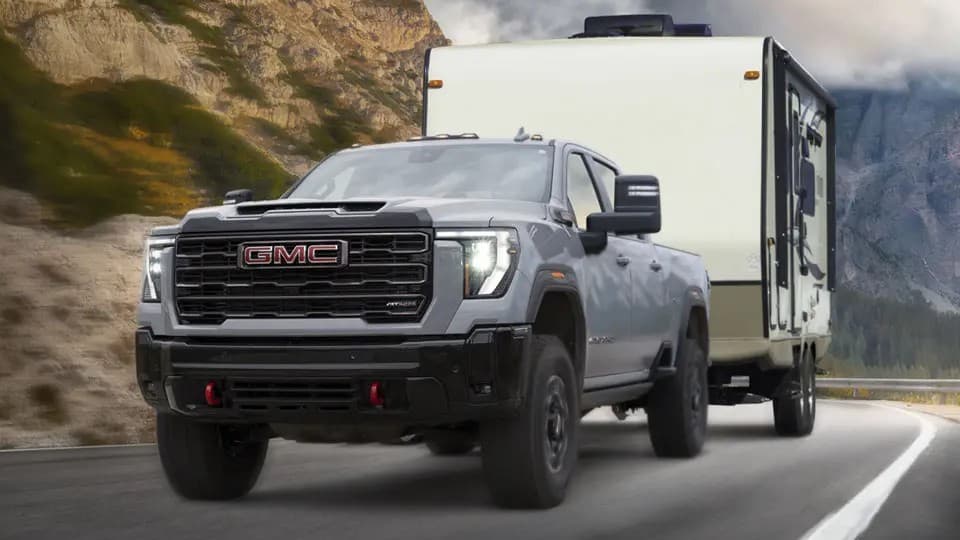
Towing a heavy trailer or hauling a full load can push any vehicle to its limits. From longer braking distances to trailer sway and rear-end sag, even a well-equipped truck or SUV can feel unstable once the weight hits the hitch.
That’s because towing safety isn’t just about having the right hitch or trailer brakes, it’s about how your vehicle carries the load. And when the suspension isn’t level, everything from handling to stopping distance can change dramatically.
This is where air suspension makes all the difference.
The Physics of Towing
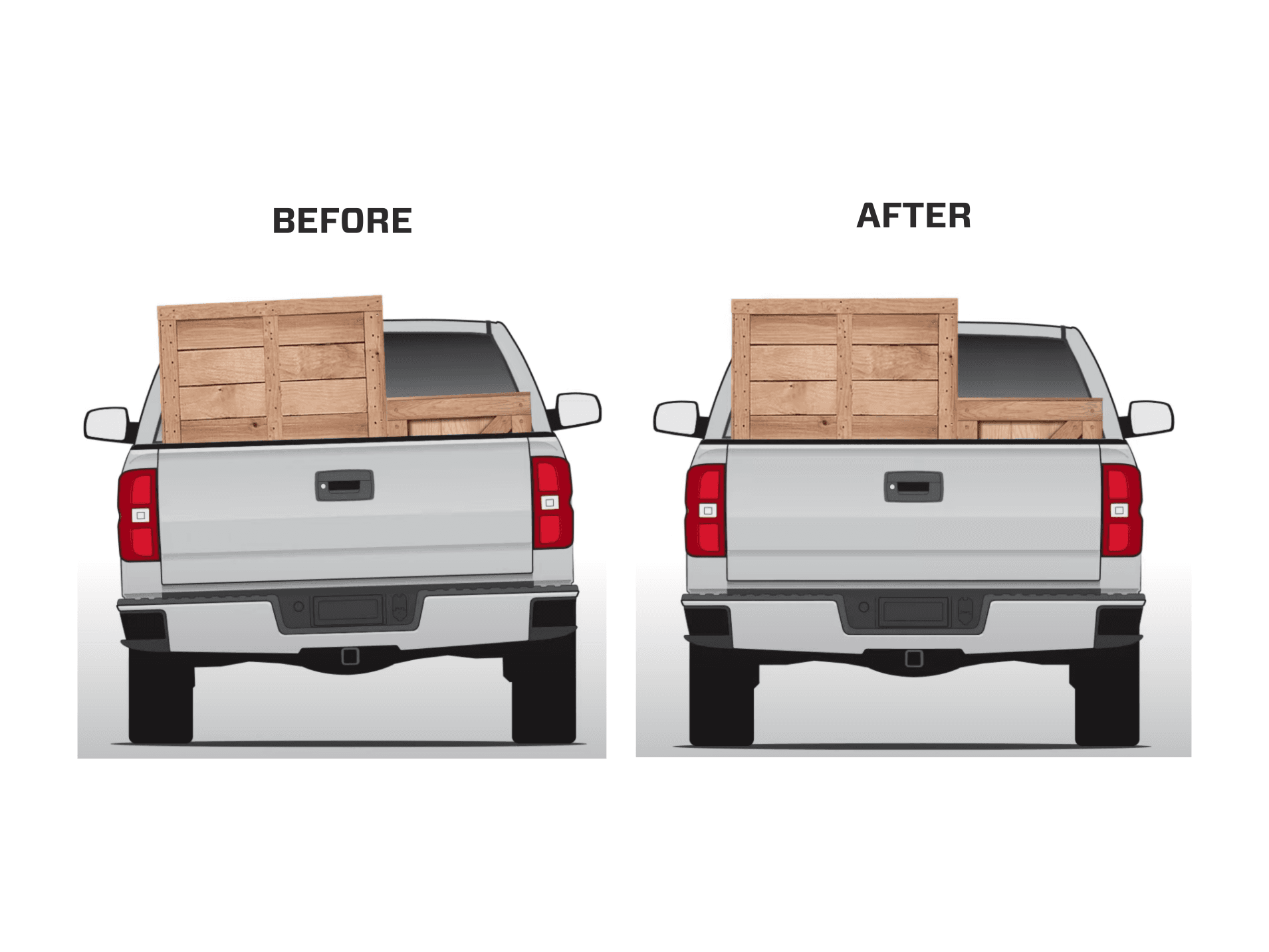
When you connect a heavy trailer or fill your bed with cargo*, weight shifts toward the rear of your vehicle. That shift causes the back end to sag, which in turn lifts the front end slightly.
It might not look like much (just a few inches) but that small angle affects several critical factors:
- Braking distance increases.
Front brakes handle most of a vehicle’s stopping power, but when the nose lifts, they lose traction and efficiency.
- Steering response decreases.
Less weight on the front wheels means less grip, making turns feel loose or delayed.
- Rear tires work overtime.
More pressure on the rear axle increases tire wear and strain on suspension components.
In short, an unbalanced load can make your truck feel unpredictable when it matters most; during braking, turning, or emergency maneuvers.
* Never exceed manufacturer’s recommended Gross Vehicle Weight Rating.