

How Air Suspension Improves Fleet Safety, Cost Control, and Vehicle Uptime
3/10/2026
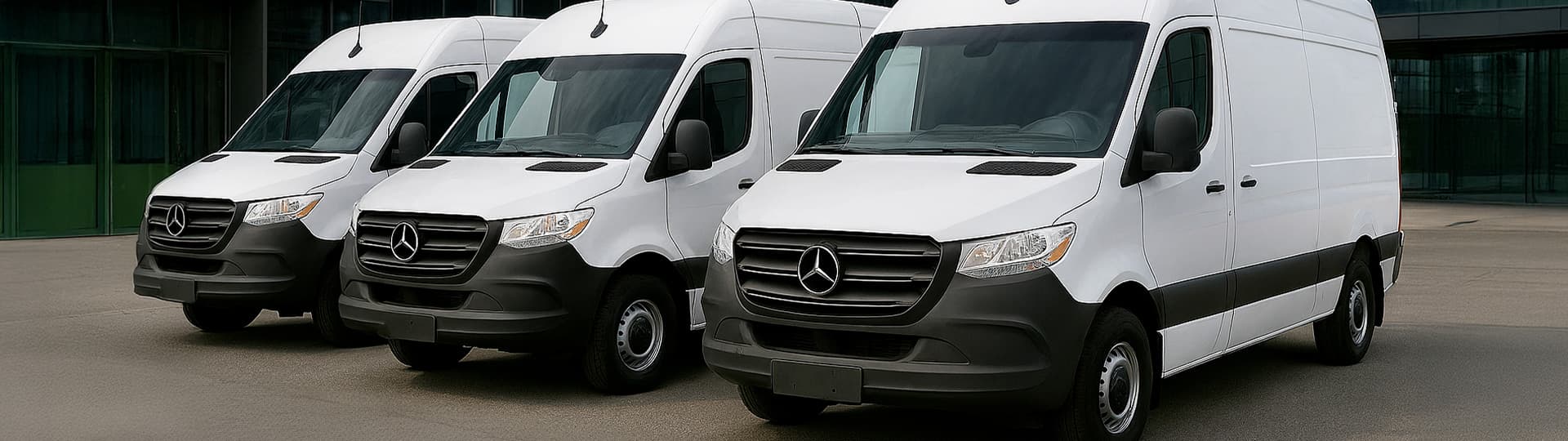
Fleet vehicles don’t live easy lives. From service trucks and delivery vans to utility and contractor vehicles, fleet platforms operate under constant load changes, often fully loaded in the morning and nearly empty by the end of the day. Those swings put stress on suspension systems, drivers, and operating budgets.
That’s why load support isn’t a luxury for fleets – it’s a necessity.
Why Load Support Matters in Fleet Operations
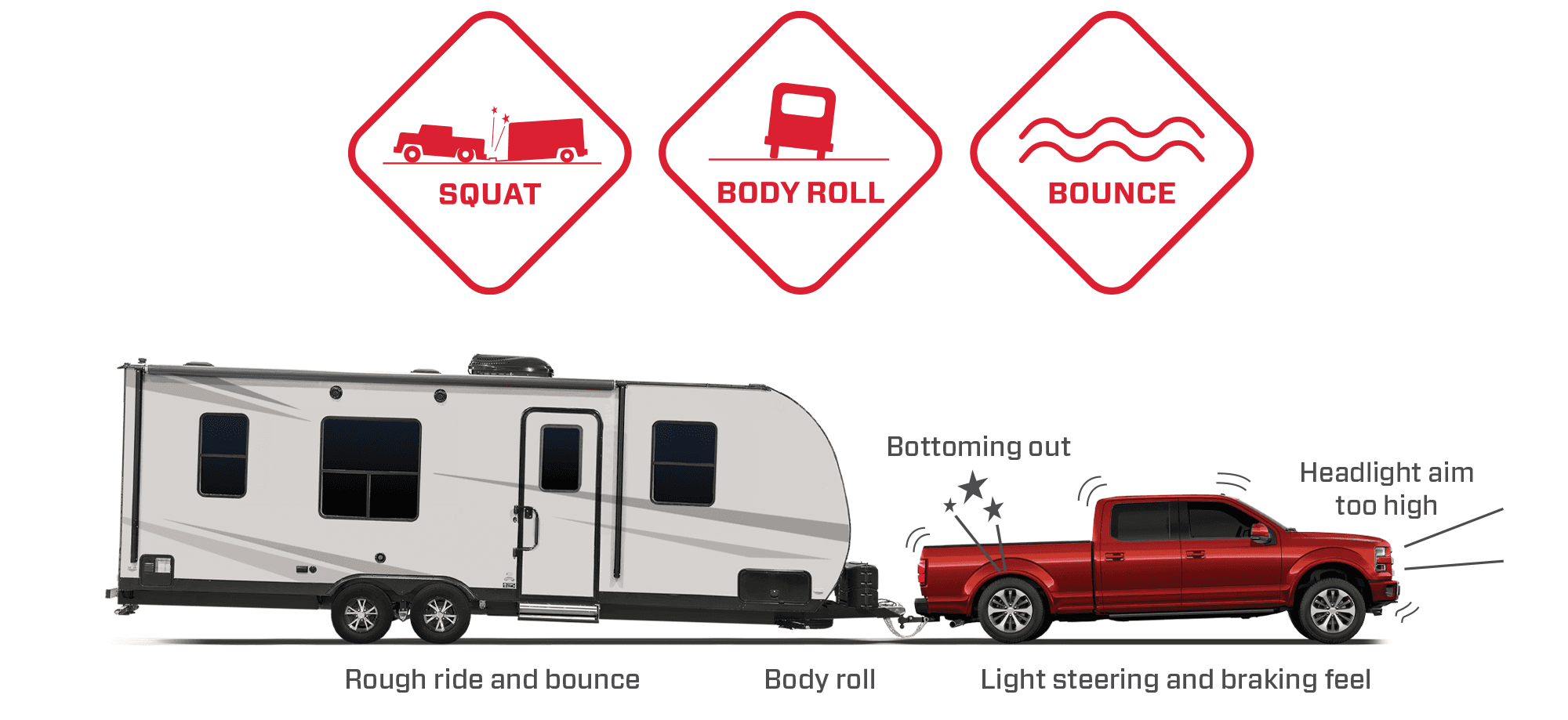
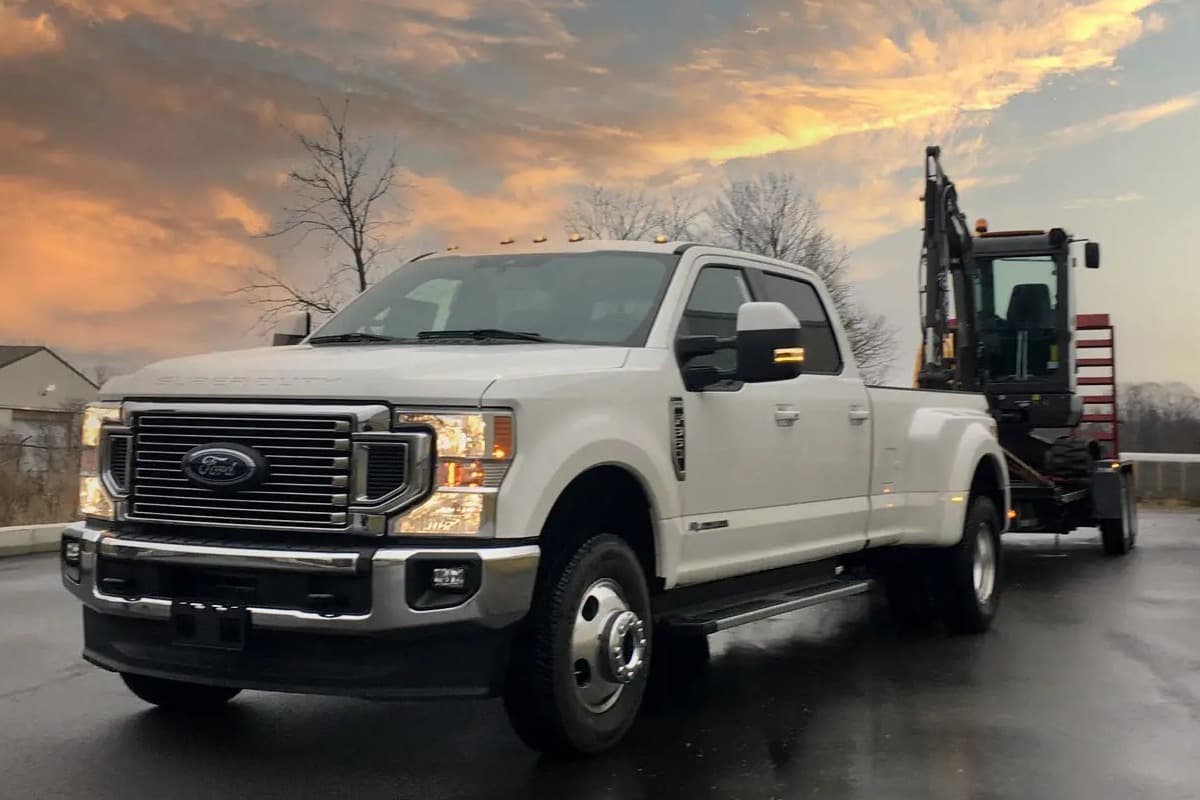
When a vehicle operates near its limits day after day, suspension issues show up fast. Rear-end sag, uneven ride height, and unstable handling don’t just affect comfort, they directly impact safety and long-term vehicle health.
Common fleet challenges include:
- Reduced braking and steering control under load
- Increased tire, shock, and suspension wear
- Driver fatigue from harsh or unstable rides
- Inconsistent performance across similar vehicles
Without proper load support, these issues compound quickly across an entire fleet.
Fleet Priorities: Safety, Cost, and Comfort
Fleet managers balance multiple priorities every day. Effective suspension solutions must support all three.
Safety
A level vehicle maintains proper braking, steering geometry, and headlight aim. Load support helps reduce trailer sway, body roll, and instability, especially when vehicles are fully loaded or towing.
Cost Control & Total Cost of Ownership
Suspension components, tires, and brakes last longer when vehicles remain level under load. Reducing wear and avoiding downtime directly impacts operating costs and vehicle lifespan.
Driver Comfort & Confidence
Drivers spend long hours behind the wheel. A stable, predictable ride reduces fatigue, improves confidence, and helps drivers stay focused on the job, not fighting the vehicle.
How Air Suspension Supports Fleet Performance
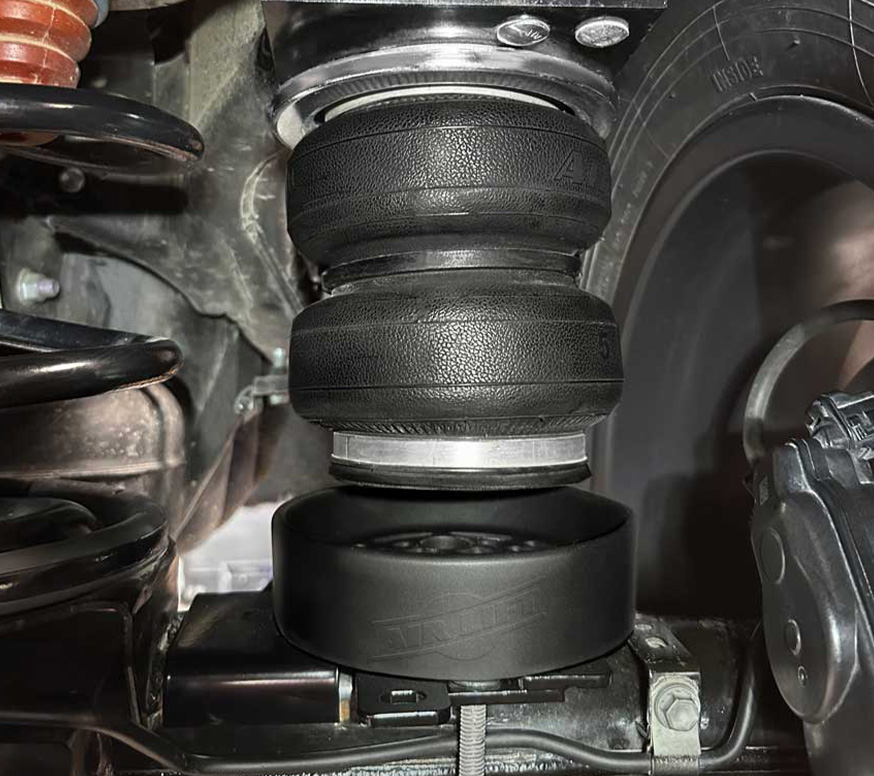
Supplemental air suspension works with a vehicle’s factory suspension to provide adjustable load support based on real-world conditions. As loads change, air pressure can be adjusted to maintain proper ride height and control.
For fleets, this means:

- One vehicle that can handle multiple load scenarios
- Consistent performance across different routes and jobs
- Improved handling without permanent suspension changes
Air suspension helps fleet vehicles adapt without compromising reliability.
Why ProSeries Is the Right Fit for Fleet Applications
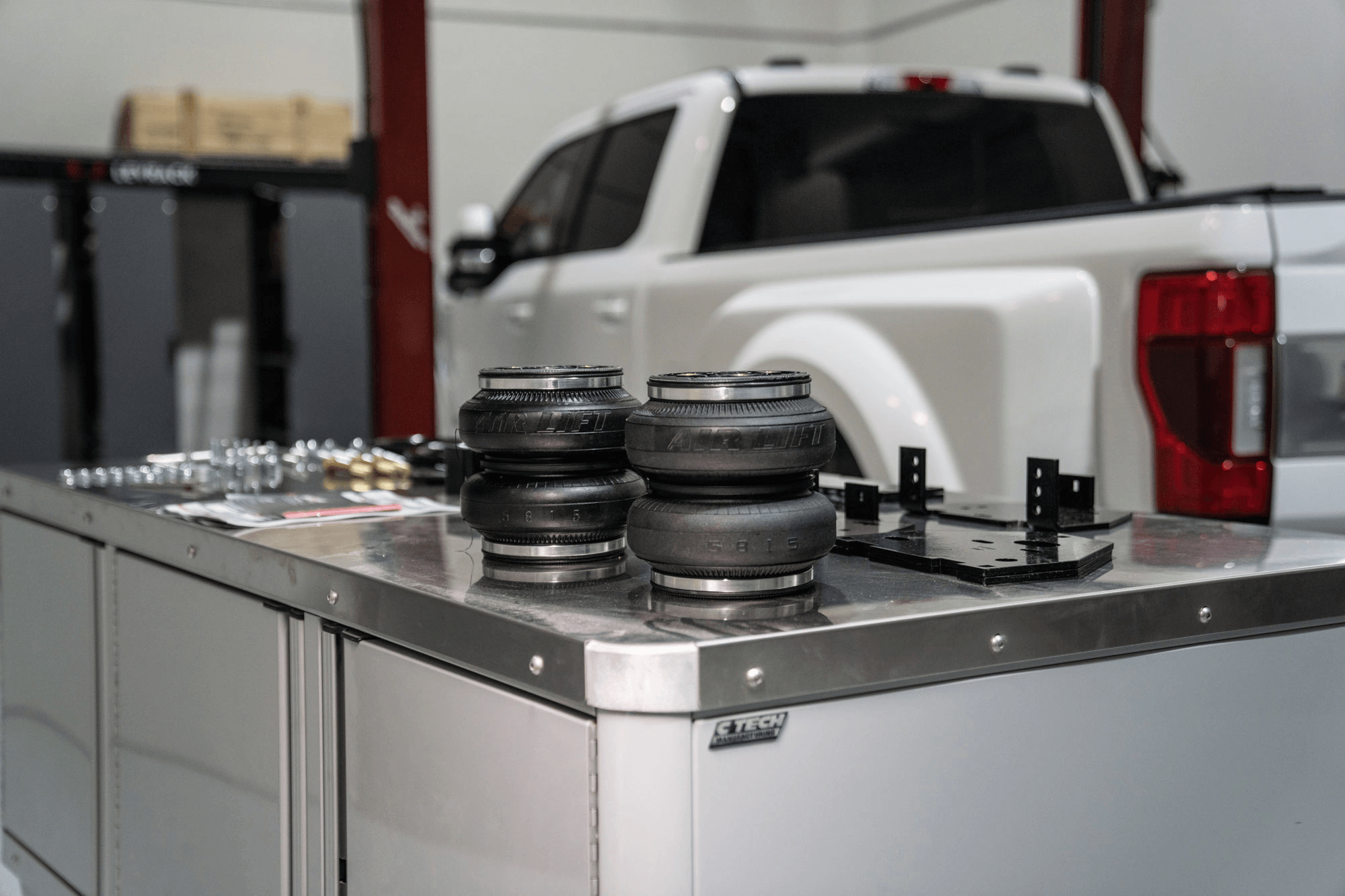
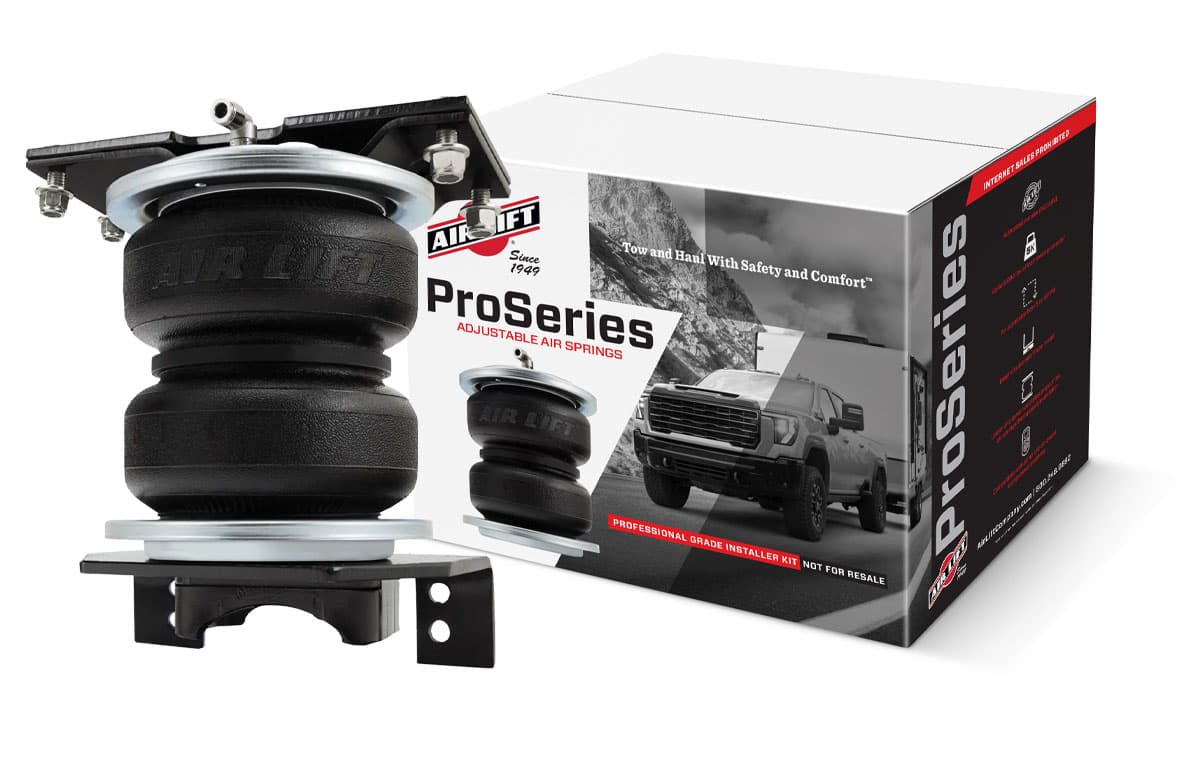
Air Lift’s ProSeries air spring kits are purpose-built for professional fleet use.
Unlike consumer-focused products, ProSeries kits are available exclusively through Authorized Installers and Upfitters. This ensures proper installation, consistent performance, and reduced variability across fleet vehicles.
Key advantages for fleets include:
- Professional installation and fitment
- Standardized solutions across vehicles
- Installer-backed warranty support
- Simplified service and maintenance planning
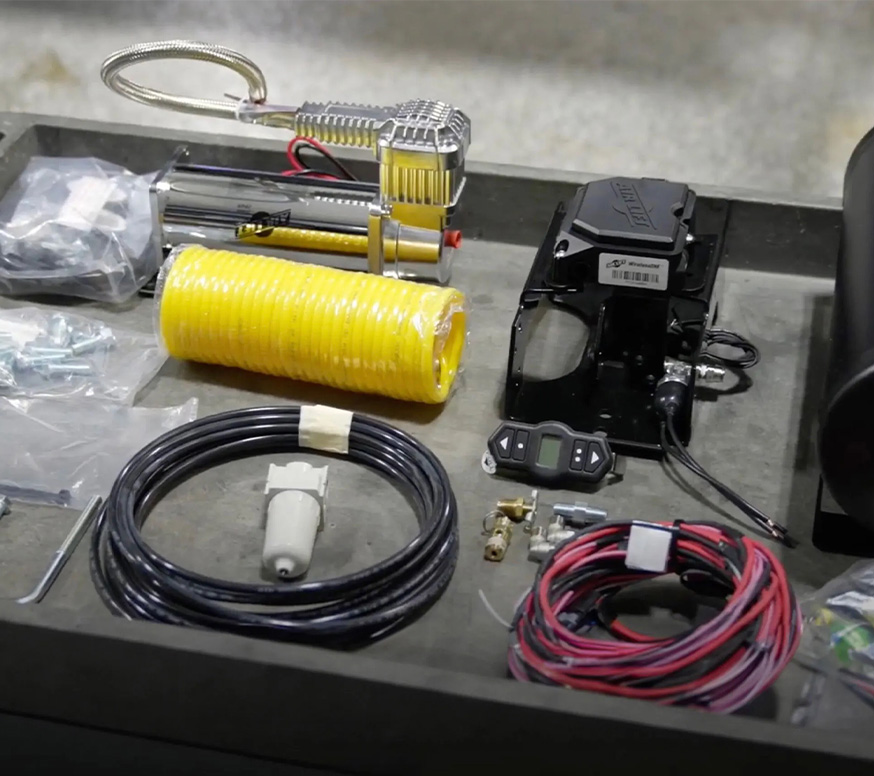
When paired with on-board air compressor systems, ProSeries allows for easy pressure adjustments as loads change, helping vehicles stay level throughout the workday without manual intervention.

A Smarter, Scalable Fleet Solution
Fleet operations demand equipment that works as hard as the vehicles themselves. By improving safety, reducing wear, and enhancing driver comfort, air suspension becomes a practical investment, not just an upgrade.
With ProSeries air spring kits and Air Lift air management systems, fleets gain a dependable load support solution designed for real-world work environments.
Air Lift isn’t just supplying suspension components; we’re helping fleets stay productive, protected, and ready for whatever the job requires.